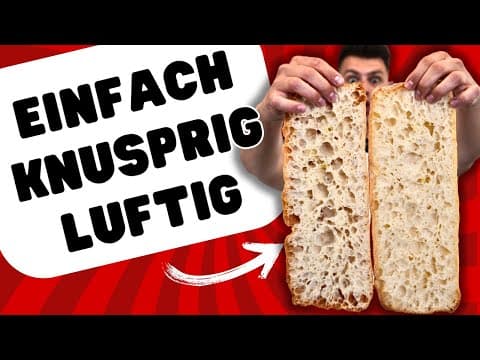
Ciabatta, a rustic Italian bread, is known for its crispy crust and fluffy, aromatic interior. In this post, we will explore how to make ciabatta that boasts a beautiful open crumb structure. Follow along for a step-by-step guide to creating this delightful bread at home.
Ingredients Needed
To make ciabatta, you will need the following ingredients:
- High-quality wheat flour (Type 00): This flour is essential for achieving the right texture. Look for flour with a protein content of at least 11-15%.
- Salt: For flavor.
- Olive oil: Adds richness to the dough.
- Fresh yeast (1.5g): For fermentation.
- Cold water: The hydration level of the dough will be between 70% to 90%, so precise water measurement is crucial.
Preparing the Dough
- Mixing the Ingredients: Start by adding all the flour to your mixing bowl. If you prefer, you can knead the dough by hand. Alternatively, you can refer to a video on the non-machine method.
- Adding Yeast and Salt: Crumble the fresh yeast into the flour, then add the sea salt. Next, pour in 50% of the total water.
- Kneading: Attach the dough hook and mix on the lowest speed for about 2-3 minutes. Then, increase to maximum speed and knead for 9 minutes. Gradually add the remaining cold water in small amounts until fully incorporated.
- Incorporating Olive Oil: After about 10 minutes of kneading, add the olive oil. Continue kneading until the dough is smooth and elastic.
Fermentation Process
- First Rise: Transfer the dough to a lightly oiled bowl. To ensure a light and airy ciabatta, perform a series of folds. With slightly damp hands, lift the dough from the sides and fold it towards the center. Rotate the bowl and repeat this process.
- Resting: Cover the dough and let it rest at room temperature for 30 minutes. Repeat the folding process once more after 30 minutes.
- Long Fermentation: After the second fold, cover the dough and let it rise for 12 to 16 hours at room temperature. This long fermentation allows for the development of flavors and gases that contribute to the bread's texture and digestibility.
Shaping the Ciabatta
- Preparing the Work Surface: Dust your work surface with semolina (or regular flour). Gently turn the dough out onto the surface, allowing it to slide out easily from the oiled bowl.
- Dividing the Dough: If desired, you can make two, three, or four ciabatta loaves from the dough. For this recipe, we will make two loaves. Use a bench scraper to cut the dough in half.
- Transferring to Baking Surface: Place parchment paper on a large pizza peel or cutting board. Carefully lift the dough and place it on the parchment paper.
Baking the Ciabatta
- Preheating the Oven: Preheat your oven to 250°C (482°F) with a baking stone or steel inside.
- Baking: Once the oven is hot, place the ciabatta loaves inside and reduce the temperature to 230°C (446°F). Bake for 20 to 25 minutes, ensuring there is plenty of steam in the oven for a crispy crust.
- Cooling: After baking, allow the ciabatta to cool on a wire rack for 30 to 60 minutes. This step is crucial for the bread to finish cooking and to develop its flavor.
Enjoying Your Ciabatta
Once cooled, slice into your ciabatta to reveal its beautiful open crumb structure. The aroma will be irresistible, and the texture will be light and airy. Enjoy your ciabatta with a drizzle of olive oil and a sprinkle of salt for a simple yet delightful treat.
Conclusion
Making authentic Italian ciabatta at home is a rewarding experience that results in a delicious loaf of bread. With the right ingredients and techniques, you can achieve a crusty exterior and a soft, flavorful interior. Give this recipe a try, and enjoy the fruits of your labor with family and friends!