Banks are eager to sell foreclosed homes quickly, often before these properties hit the general market. This guide explains how to find and buy bank-owned properties, secure financing, avoid common pitfalls, and take advantage of unique opportunities such as owner-occupant bidding windows. Special attention is given to the booming Florida market and practical tips for inspections, approvals, and working with real estate agents.
Currently, banks are eager to get rid of foreclosed homes. They do not want to hold onto these properties, repair them, or manage them. When a bank owns a house, it is called a Real Estate Owned (REO) property. Banks typically release these homes in waves, pricing them to sell quickly through preferred channels.
Interestingly, real estate investors often acquire these properties before the media even reports on them because they have access to information that the general public does not. This article serves as a comprehensive guide to buying foreclosures and bank-owned properties, covering how to find these homes, secure financing, and avoid common mistakes.
Whether you are a first-time homebuyer, a new investor, or simply looking for a great deal, this guide is for you.
This surge in foreclosures does not necessarily indicate a housing crash but rather an increase in inventory. More inventory shifts leverage towards buyers, creating a buyer's market with more reasonable prices and choices.
For example, Florida currently has over 30,000 pre-foreclosures, a stark contrast to California's fewer than 1,800 and Texas's under 5,000. This influx is partly due to many people purchasing second homes or investment properties during the pandemic, only to face challenges such as restrictions on short-term rentals like Airbnbs.
Being prepared means securing loan approval, not just a pre-qualification. Loan approval involves a thorough verification of your income, taxes, employment, and cash reserves. This process results in a formal approval letter, which banks require to consider your offer.
You can purchase foreclosed homes with various loan types, including FHA and VA loans, sometimes with as little as $1,000 out of pocket. Many buyers also pay cash or use home equity lines of credit.
Banks typically sell foreclosed homes "as-is," meaning they will not make repairs or pay closing costs. However, this does not mean you are forced to buy the property without inspection.
You have the right to conduct a home inspection, including a plumbing inspection, which is crucial because many foreclosed homes have been vacant and winterized, leading to potential issues like burst pipes.
If inspections reveal significant problems that exceed your budget, you can usually back out and get your deposit back, depending on your state's laws.
Traditional real estate websites like Zillow and Realtor.com may list foreclosed properties, but these listings are often outdated or not actually for sale.
Many foreclosures are auctioned at county courthouses, often weekly. Attending these auctions can be an exciting way to find properties, but it requires research and preparation.
A valuable resource is findmyforeclosure.com, a website affiliated with foreclosure.com, which has been in business for over 20 years. It provides listings of short sales, tax sales, pre-foreclosures, and bankruptcy sales, often before they hit the market. The service costs about $40 per month but offers a significant advantage in accessing early information.
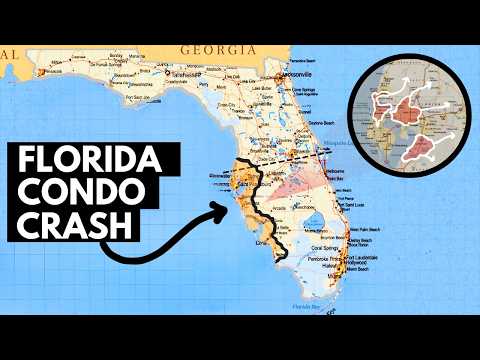
Florida's market is particularly active, with a high number of pre-foreclosures due to the popularity of second homes and investment properties. Cities like Fort Lauderdale and Orlando are seeing many homes entering the market, increasing inventory and buyer leverage.
If you are in Florida, it's beneficial to stay informed about local market trends and regulations, especially concerning short-term rentals.
Foreclosed homes often involve a bidding process. For FHA foreclosures, there is typically a 30-day window where only owner-occupants can bid, giving buyers who intend to live in the home a competitive edge.
Banks cooperate fully with real estate brokerage companies and usually compensate buyer agents. However, you may need to sign a buyer broker agreement to formalize this relationship.
If you need assistance finding a reputable agent, services like contactwne.com can connect you with vetted professionals nationwide.
Foreclosure purchases usually close within 30 to 45 days. Banks strive to ensure clear titles free of back taxes, liens, or encumbrances, providing buyers with a warranty deed that guarantees ownership without surprises.
Buying foreclosures can be a lucrative opportunity if you are well-prepared and informed. By understanding the market dynamics, securing proper financing, conducting thorough inspections, and working with experienced agents, you can successfully purchase bank-owned properties at attractive prices.
Remember to do your homework, stay patient, and enjoy the process. With the right approach, you can find a great deal on a home that meets your needs.
My name is Wayne Turner, and with 30 years of experience in real estate, I have helped thousands buy and sell homes. I share this knowledge to empower you to make confident decisions in the foreclosure market. Good luck on your journey to homeownership or investment success!