This blog post critiques recent predictions about the 2026 housing market, arguing that many publications misrepresent the realities of affordability and market conditions. It discusses the impact of mortgage rates, economic uncertainty, and the challenges faced by first-time home buyers, while emphasizing the importance of local market insights over generalized predictions.
In recent discussions about the housing market, many publications have made bold predictions about what to expect in 2026. However, as a real estate agent with boots on the ground experience, I find these predictions to be misleading and not reflective of the realities faced by potential buyers. This post will explore three key articles that have made predictions about the housing market, highlighting the discrepancies between their forecasts and the actual conditions observed in the market.
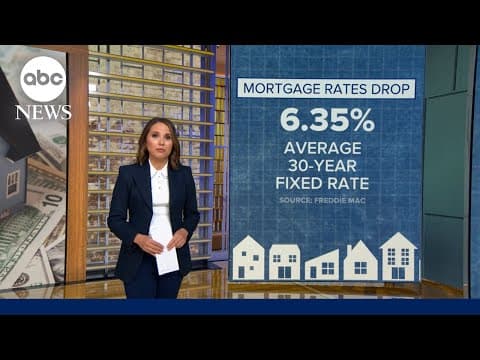
One of the articles from NBC suggests that there are "glimmers of hope" for the housing market, citing falling mortgage rates and easing price growth as positive signs for buyers. While it is true that the 30-year fixed mortgage rate has dropped to around 6.18%, this does not necessarily translate to improved affordability for buyers. The median home price remains just under half a million dollars, which means that even with lower rates, many buyers are still unable to afford homes.
Despite claims that housing has become more affordable, the reality is that affordability concerns persist. The National Association of Realtors reports that the median age for first-time home buyers has reached an all-time high of 40, indicating that many potential buyers are struggling to enter the market. This is compounded by the fact that while mortgage rates may be decreasing, home prices have been steadily increasing over the years, making it difficult for first-time buyers to catch up.
The predictions for 2026 suggest that the market will improve for buyers, with increased sales and a more favorable environment. However, this optimism does not take into account the broader economic uncertainties that could impact buyer confidence. A shaky job market and persistent inflation could deter potential buyers from making significant financial commitments.
Economic uncertainty is a significant factor that influences buyer behavior. If the labor market continues to show weak numbers, it could have a larger impact on the housing market than any optimistic predictions suggest. Buyers are likely to remain cautious, especially if they feel insecure about their financial futures.
Another aspect to consider is the state of home builders. Many builders are currently facing challenges due to reduced demand and high labor costs. While some predict a modest improvement in building activity by 2026, it is essential to recognize that builders will only construct homes when they are confident in the market's demand. The lack of affordable housing options is a significant barrier that needs to be addressed.
Despite promises of increased construction and easing zoning regulations, the reality is that these changes often do not materialize. Builders are hesitant to invest in new projects when they are unsure about the market's stability. This has led to a backlog of inventory that builders are struggling to sell, further complicating the housing market.
Many articles fail to address the underlying issues affecting the housing market, such as the impact of rising insurance premiums and utility costs. These factors contribute to the overall cost of homeownership, making it even more challenging for buyers to enter the market. The predictions often gloss over these critical issues, leading to a disconnect between what is reported and what is experienced on the ground.
As a real estate agent, I emphasize the importance of understanding local market conditions rather than relying solely on national headlines. Each market has its unique challenges and opportunities, and buyers should focus on their specific areas to make informed decisions.
In conclusion, while some publications may paint an optimistic picture of the 2026 housing market, the reality is far more complex. Buyers face significant challenges, including high home prices, economic uncertainty, and a lack of affordable housing options. It is crucial for potential buyers to stay informed about their local markets and to approach predictions with a critical eye. The housing market is fluid, and understanding the nuances of local conditions will be key to navigating the challenges ahead.
Remember, everyone deserves an affordable place to live, and it is essential to advocate for policies that support this goal.