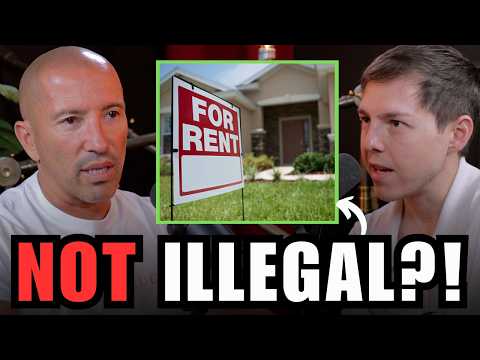
California's legal landscape for real estate is increasingly complex, with tenant habitability claims and new laws complicating landlord-tenant relationships. This blog explores the implications of these changes, highlighting the challenges landlords face in a system perceived as favoring tenants, and discusses potential reforms to address these issues.
California's real estate market is facing significant legal challenges that are reshaping the dynamics between landlords and tenants. This blog post explores the complexities of tenant habitability claims, recent legislative changes, and the implications for property owners in the state.
A growing trend in California involves tenants claiming that their rental units are uninhabitable due to issues like insects, mold, or other code violations. This often leads to legal disputes where tenants settle with landlords to avoid lengthy court battles. For instance, in larger apartment buildings, a tenant might claim a habitability issue, prompting the landlord to settle for a sum between $20,000 and $50,000 to avoid the costs of legal defense.
Once a settlement is reached, the attorney representing the tenant can send out mailers to other tenants in the building, informing them of the settlement and suggesting they may also have claims against the landlord. This can lead to a cascade of lawsuits that could potentially bankrupt property owners.
The legal landscape is further complicated by the influence of lawyer organizations that fund political campaigns, particularly among Democratic politicians. This funding can lead to the perpetuation of laws that favor tenant claims, making it easier for tenants to file lawsuits against landlords.
For example, a recent ordinance in Los Angeles mandates that landlords display information about free legal services for tenants in common areas of rent-controlled properties. Failure to comply can result in eviction cases being dismissed, further complicating the eviction process for landlords.
Recent laws in Los Angeles have introduced additional restrictions on landlords. One such law limits security deposits for furnished properties to one month's rent, regardless of the property's value. This regulation aims to protect lower-income tenants but inadvertently harms landlords of high-value properties who may require larger deposits.
Moreover, landlords now face challenges when trying to sell their properties. Previously, a landlord could inform a tenant that their lease was expiring and plan to sell the property. However, new regulations allow tenants to remain indefinitely, even after their lease has expired, unless the landlord moves back into the property for two years. This creates a situation where landlords have little control over their own properties.
The balance of power has shifted significantly in favor of tenants. Landlords are now in a position where they cannot easily evict tenants, even those paying high rents. For instance, a tenant paying $30,000 a month can refuse to leave, and landlords may find themselves negotiating large sums to encourage tenants to vacate.
Additionally, if a landlord offers a cash incentive for a tenant to leave, the tenant can later claim harassment or even return to the property, complicating the eviction process further. This has led to a situation where landlords feel they have lost control over their properties.
California has also enacted laws that prevent landlords from discriminating against tenants based on criminal history. This means landlords cannot refuse to rent to individuals with a criminal background, which raises concerns about safety and property management. The term "justice involved" has replaced "criminal," reflecting a shift in how society views individuals with criminal records.
Landlords are now faced with the challenge of selecting tenants from a pool that may include individuals with troubling backgrounds, all while navigating the risk of lawsuits for discrimination.
Many believe that the current legal environment is a form of legal extortion, where the majority of lawsuits are seen as money grabs. Landlords often settle claims to avoid the high costs of legal defense, which can range from $50,000 to $75,000. This creates a cycle where tenants feel empowered to file claims, knowing that landlords may prefer to settle rather than fight in court.
To address these issues, some suggest implementing higher barriers for lawsuits. One proposed solution is to require that if a claimant loses a case, they should be responsible for the other party's attorney fees. This could deter frivolous lawsuits and encourage lawyers to take only cases with merit.
Another approach could involve allowing contingency lawyers to take cases while also being responsible for the risk of paying the other side's fees. This would ensure that only legitimate claims are pursued, reducing the burden on landlords.
The legal challenges facing California's real estate market are complex and multifaceted. As laws continue to evolve, landlords must navigate a landscape that increasingly favors tenants, often at the expense of property owners' rights. Without significant reforms, the current system may discourage investment in real estate, ultimately harming the housing market and economic activity in the state. It is crucial for stakeholders to engage in discussions about potential reforms that balance tenant rights with the rights of property owners, ensuring a fair and functional rental market for all parties involved.