Recent Basel 3 regulations and China's export licensing have fundamentally altered the silver market by increasing capital costs for paper silver and restricting physical silver supply. These changes, combined with a six-year supply deficit and rising industrial demand, suggest a structural shift favoring physical silver over paper silver, with silver currently undervalued relative to the stock market.
Silver is currently trading at $77.69 per ounce. At first glance, this price might seem like just another commodity figure, but beneath this number lies a profound transformation in the silver market driven by regulatory changes that have gone largely unnoticed by mainstream financial media.
This is not about market sentiment, trends, or social media hype. Instead, it is about two significant rule changes already enacted and in effect, which have permanently altered how silver is produced, traded, and priced globally. Investors who recognize these regulatory shifts before they are fully priced into the market stand to benefit significantly.
For decades, investors operated under the assumption that the rules governing commodity markets, including silver, were stable. The infrastructure connecting paper claims to physical silver, the way banks traded silver, and the supply chains were treated as permanent and reliable. This assumption was valid for a long time, supported by structural buffers such as capital cushions for banks and inventory in exchange vaults.
However, these buffers have been systematically removed—not by market crashes or geopolitical shocks, but by deliberate, committee-approved regulatory changes. These changes have rewritten the cost structure and supply architecture of the global silver market.
Basel 3, a banking regulation framework, introduced a provision called the net stable funding ratio (NSFR). This rule has a direct and measurable impact on silver trading:
As a result, what was once a capital-efficient profit center for bullion banks has become a capital-intensive cost center. Consequently, many major banks have begun exiting the paper silver market, reducing synthetic silver supply and increasing demand for physical silver.
At the start of this year, China replaced its 25-year-old silver export policy with a tightly controlled licensing system. Key points include:
In March alone, China imported 836 tons of silver, 170% above its 10-year monthly average, signaling a structural repositioning. This tightening of physical silver supply coincides with the contraction of paper silver supply due to Basel 3.
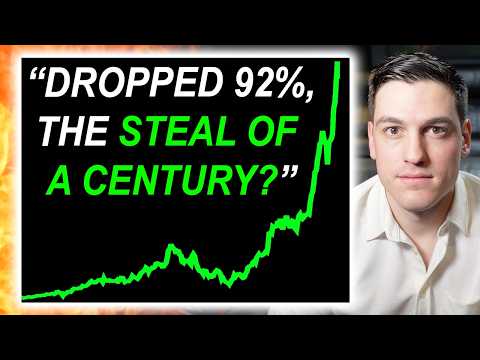
To understand silver's valuation, consider the silver price relative to the S&P 500 index:
A reversion to the 2011 ratio implies a potential 250% increase in silver price relative to the stock market, meaning silver could more than triple if the S&P 500 remains flat.
Several factors contribute to a tightening silver market:
These demand drivers are structural, not cyclical, and are unlikely to reverse soon.
Basel 3 distinguishes between unallocated (paper) silver and physical silver for capital requirements:
This regulatory distinction means banks are incentivized to reduce paper silver holdings and increase physical silver holdings, further tightening physical silver supply.
While parts of Europe have already implemented Basel 3 capital requirements on unallocated silver, the U.S.—home to the largest paper silver market via COMEX—has yet to fully implement these rules. This is expected within the next one to two years, suggesting further contraction of paper silver supply is imminent.
Some argue that silver's industrial demand is cyclical and will plateau or decline. However:
All three signals currently point toward a tightening silver market and a structural shift favoring physical silver.
Silver's current price does not fully reflect the profound regulatory and supply changes underway. Basel 3 has made paper silver a costly liability, prompting banks to exit or reduce paper silver positions. Simultaneously, China's export licensing restricts physical silver supply. Combined with a multi-year supply deficit and rising industrial demand, these factors create a compelling case for physical silver as the only reliable play in the silver market.
Investors should understand the distinction between paper and physical silver and monitor the key signals outlined to navigate this evolving landscape effectively.
Stay informed and stay sharp.