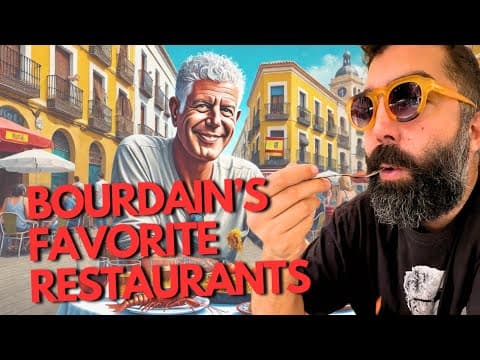
This blog post takes readers on a culinary journey through Barcelona, visiting Anthony Bourdain's favorite restaurants. It highlights the rich Catalan culture, unique dishes like pig snout and pig nipples, and the importance of experiencing local cuisine to truly understand a place.
Barcelona is a city that captivates with its rich history and vibrant culture, a place where the essence of Catalonia remains intact despite the influx of tourists. To truly appreciate this city, one must venture beyond the crowded streets and into the heart of its local neighborhoods. This blog post follows in the footsteps of the late Anthony Bourdain, paying tribute to the restaurants he cherished and the unforgettable flavors that define Barcelona.
Our culinary adventure begins at Bar Cordoba, a dive that Bourdain himself frequented not just for the food, but for the experience of understanding Catalan culture. Located on the outskirts of the city, this establishment is a testament to the deep-rooted traditions of the Catalan people. Here, I ordered one of their most popular dishes: pig snout.
Walking into Bar Cordoba, you immediately sense the authenticity of the place. The locals eye you with a mix of curiosity and indifference, as if to say, "What are you doing filming here? Just eat your food and leave." Yet, the warmth of the staff shines through. Antonio, who has taken over the family business after 50 years, embodies the spirit of this establishment.
The menu features house favorites such as:
Pork is a staple in Catalan cuisine, historically the most affordable meat available. The resourcefulness of the Catalan people is evident in how they transform simple ingredients into culinary miracles. The pig snout was a revelation, rich in flavor and expertly prepared. For just €26, I savored a meal that was not only delicious but steeped in history.
Next, I ventured into the El Raval neighborhood, known for its vibrant yet gritty atmosphere. Despite its reputation, this area is home to some of the most exciting culinary experiences in Barcelona. Here, I found a more upscale restaurant where I was greeted by Billy, who guided me through the menu.
Billy recommended:
The pig nipples, a dish that Bourdain famously enjoyed, were paired with a unique ham juice served in a champagne glass. This dish is not for the faint-hearted, but it exemplifies the boldness of Catalan cuisine. The texture was gelatinous, and when combined with the ham juice, it created a flavor profile that was both surprising and delightful.
One of the standout dishes was a pine nut omelette, a recipe dating back to the first century. Eating this dish felt like a journey through time, connecting me to the culinary practices of the Roman Empire. The flavors were simple yet profound, showcasing the beauty of ancient recipes that have stood the test of time.
To conclude my culinary journey, I made my way to Chia B, a beloved spot known for its churros. For over 50 years, this establishment has remained unchanged, focusing solely on delivering the best churros in the city.
At Chia B, there are no frills—just delicious churros served with hot chocolate. The simplicity of the experience is what makes it special. You grab your churros and go, savoring the moment without the distractions of modern dining.
As I reflect on this culinary adventure, I am reminded of Bourdain's philosophy: life is too short to stick to the familiar. The best way to understand a culture is to immerse yourself in it, to taste the foods that challenge your palate and to embrace the unexpected.
In Barcelona, every meal tells a story, and every dish is a connection to the past. So, let us raise a glass to the moments that make life worth living, to the flavors that surprise us, and to the friendships we forge along the way. Until next time, may your travels be filled with delicious discoveries.