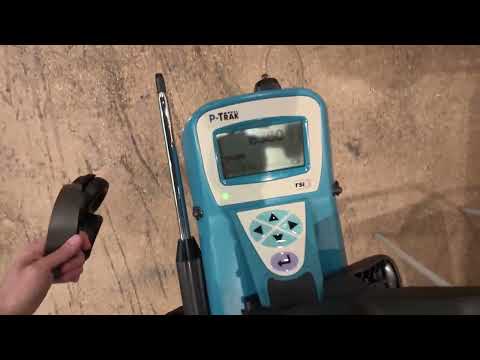
This blog post delves into a unique exploration of cleanliness in various restaurants and food trucks in Austin, Texas, using a particle counter to measure air quality. The findings reveal significant differences in cleanliness among popular dining spots, highlighting the importance of maintaining hygiene in the food industry.
In a recent exploration of the cleanliness of restaurants and food trucks along the bustling drag of Austin, Texas, a fascinating experiment was conducted using a particle counter. This device measures air quality by counting particles as small as 0.02 microns, which is 10,000 times smaller than a visible piece of dust. The results not only shed light on the hygiene standards of various eateries but also sparked discussions about management practices and employee treatment in the food industry.
The journey began with a visit to several establishments, starting with a food truck that boasted a remarkably low particle count of 4,000. In contrast, Cava, a popular chain, registered a staggering 130,000 particles, raising eyebrows about its cleanliness. The food truck's owner expressed surprise at the results, noting that cleanliness is a priority for them.
These numbers indicate a significant disparity in cleanliness among these popular dining options, with the food truck emerging as the cleanest establishment on the strip.
During the exploration, a conversation unfolded about the importance of positive management practices. One anecdote shared involved a job interview where the candidate, previously a manager at Cava, recounted a negative experience when the restaurant ran out of chicken. The discussion highlighted how management styles can impact employee morale and retention.
The interviewer emphasized that treating employees with respect and understanding, especially in stressful situations, fosters a more productive and loyal workforce. Instead of reprimanding employees for mistakes, supportive management can encourage them to take initiative and solve problems, ultimately benefiting the business.
The findings from the particle counter not only serve as a fun experiment but also underscore the critical nature of cleanliness in the food industry. High particle counts can indicate poor hygiene practices, which may lead to health issues for customers. The conversation around cleanliness also ties back to how restaurants manage their operations and treat their employees.
The exploration of cleanliness among Austin's restaurants using a particle counter revealed surprising insights into the hygiene standards of popular dining spots. The stark differences in particle counts raise important questions about food safety and management practices in the industry. As consumers, being aware of these factors can help us make informed choices about where to dine.
In the end, the journey was not just about measuring cleanliness but also about understanding the broader implications of management styles and employee treatment in the food service industry. As we continue to explore more establishments, the hope is to encourage better practices that benefit both customers and employees alike.
Stay tuned for future experiments, including comparisons between other popular dining locations in Austin, as we continue to uncover the hidden truths behind our favorite eateries.