This blog post delves into the rich culinary history of India, exploring the evolution of food from ancient times to the 1800s. It discusses the impact of colonization, trade, and agricultural practices on Indian diets, highlighting regional variations and the significance of grains, vegetables, and proteins in traditional meals. The conversation with Dr. Kurush Dalal reveals how historical dietary habits shape contemporary eating practices and the importance of reviving traditional foods for a
In this blog post, we embark on a fascinating journey through India's culinary history, tracing the evolution of food from ancient times to the 1800s. The discussion, led by host Kunal Vijayer and culinary anthropologist Dr. Kurush Dalal, reveals how wars, migration, colonization, and trade have shaped the diverse diets of India. We will explore the significance of grains, vegetables, and proteins in traditional meals, and how these historical dietary habits continue to influence contemporary eating practices.
India's culinary traditions are vast and date back thousands of years. The food we eat today is a result of a long history of agricultural practices, trade, and cultural exchanges. For instance, many vegetables commonly consumed in India today are not indigenous to the region. The introduction of ingredients like potatoes, tomatoes, and chilies from the Americas during the Columbian Exchange significantly altered Indian cuisine.
Historically, grains have been the cornerstone of the Indian diet. Evidence suggests that the first use of grains was to make beer around 14,000 years ago. This highlights the deep-rooted connection between grains and Indian culinary practices. The staple grains varied across regions, with wheat dominating in the north and rice in the south. Interestingly, barley was once a significant grain in northern India, but its prominence has diminished over time.
In northern India, meals typically revolved around wheat-based products. Breakfast might consist of parathas or rotis, often accompanied by dairy products if available. Lunch could include a variety of dals and vegetables, but meat was not a staple for everyone. The introduction of corn by the British altered agricultural practices, leading to a decline in traditional grains like barley.
In contrast, southern India was characterized by rice consumption. Traditional meals often included rice served with sambar or rasam, and curd rice was a common way to finish a meal. Interestingly, the original idli was made entirely from urad dal, not rice, showcasing the region's rich culinary heritage.
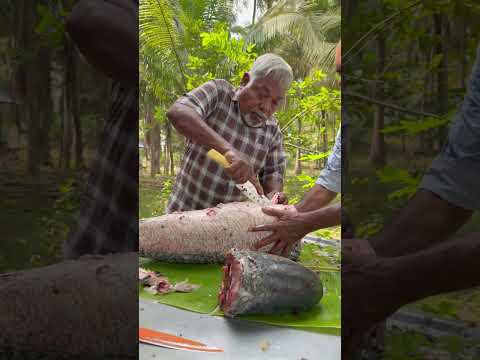
In the east, fish was a staple, with meals often consisting of rice and fish curry. In West India, dried fish and bhakri (a type of flatbread) were common. The diversity in regional diets reflects the agricultural practices and available resources in each area.
The British colonization of India brought significant changes to agricultural practices and food consumption. The introduction of the Minimum Support Price (MSP) for rice and wheat led to a decline in millet cultivation, which was once a staple for many communities. The Green Revolution, spearheaded by scientists like Norman Borlaug, aimed to increase food production but also shifted the focus away from traditional grains.
The advent of railways in India transformed food distribution and consumption. Railways facilitated the transport of perishable goods, leading to the emergence of new culinary practices. The pantry car meals on trains introduced dishes like omelets and cutlets, which were not traditionally Indian.
Historically, meals were structured around a staple grain, with additional dishes serving to complement the main component. The concept of three meals a day has evolved, but many communities traditionally consumed a hot breakfast, a cold lunch, and a hot dinner. This pattern reflects the agricultural lifestyle, where meals were designed to provide energy for labor-intensive work.
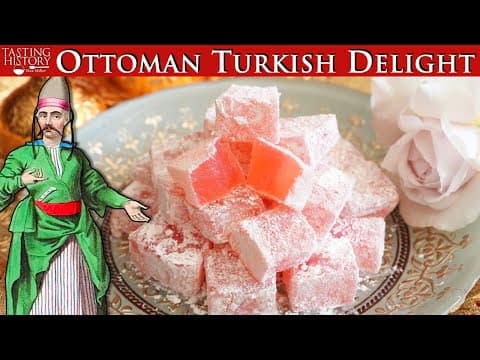
The rise of snacks and street food in India can be traced back to the Mughal era, where fried and sweet foods became popular. These foods were often reserved for special occasions due to the high cost of ingredients like sugar and oil. Today, snacks are an integral part of Indian cuisine, with a wide variety of options available.
Historically, protein sources varied significantly across regions. While upper castes often consumed vegetarian diets, lower castes relied on animal protein for sustenance. The consumption of meat, particularly in the form of fish and mutton, was more common among wealthier individuals. Today, the need for a balanced diet rich in protein remains crucial, as many Indians still fall short of their nutritional requirements.
As modern dietary habits shift, there is a growing movement to revive traditional foods and practices. Incorporating millets and other ancient grains into contemporary diets can provide numerous health benefits. However, transitioning to these foods requires a gradual approach to avoid digestive issues.
The exploration of India's culinary heritage reveals a rich tapestry of flavors, ingredients, and cultural influences. Understanding the historical context of our diets can help us appreciate the food we consume today and encourage a return to traditional practices that promote health and sustainability. As we move forward, embracing our culinary history can lead to a more balanced and nutritious future for all.