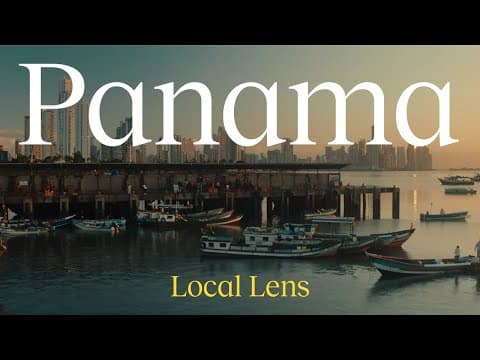
This blog post takes readers on a culinary journey through Panama, highlighting the country's rich food culture, from the bustling Mercado de Mariscos to the serene Caribbean islands. It explores the significance of local ingredients, traditional cooking methods, and the vibrant communities that shape Panama's unique culinary landscape.
Panama, a country whose name translates to "abundance of fish," offers a rich tapestry of flavors and culinary traditions that reflect its diverse culture. In this blog post, we will explore the vibrant food scene of Panama, from the bustling markets of Panama City to the serene Caribbean coast, showcasing the unique ingredients and cooking methods that define Panamanian cuisine.
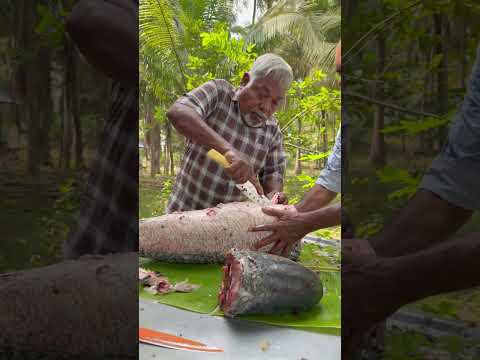
One of the most authentic experiences in Panama City is visiting the Mercado de Mariscos (Seafood Market). This lively market is a sensory overload, filled with the sounds of vendors and the sights of fresh seafood. Here, visitors can purchase a variety of fish, including snook, corvina, and tripletail. The local custom is to buy fresh fish and take it to a nearby restaurant where it can be cooked to your liking, often accompanied by traditional sides like coconut rice and fried plantains.
After exploring the market, trying some ceviche is a must. Ceviche in Panama often includes octopus, shrimp, olives, and a splash of olive juice, making for a refreshing and flavorful dish that perfectly captures the essence of the sea.
No visit to Panama would be complete without experiencing its renowned coffee. In the historic district of Casco Antiguo, José, a local chef, highlights the significance of Geisha coffee, known for its unique flavor profile influenced by Panama's diverse microclimates. The Lamastus family, known for their mastery of Geisha coffee, has set a high standard for Panamanian coffee on the global stage. The terroir, or the combination of soil, climate, and local expertise, plays a crucial role in the distinctiveness of this coffee.
As the sun sets, locals flock to Amador to cycle, skate, and enjoy the stunning skyline of Panama City. This area is not only a recreational hub but also a cultural landmark, featuring the Pilares de la Patria, which symbolize the diverse roots of Panamanian culture. The nearby Biomuseo showcases Panama's incredible biodiversity, further emphasizing the country's natural beauty.
For a deeper cultural experience, a trip to Emberá Parara Purú is essential. Just an hour from Panama City, this Indigenous community offers a glimpse into the lives of the Emberá people, who rely on the Chagres River for their daily needs. The river is central to their culture, representing life and sustenance. Visitors can learn about traditional cooking methods, including dishes made from plantains and tilapia caught from the river.
The Emberá community emphasizes the importance of conservation, viewing nature as an ally. Their commitment to preserving the environment is evident in their practices, which are deeply rooted in their cultural identity.
Portobelo, known for its rich Afro-Panamanian heritage, is a gateway to exploring Panama's Caribbean coast. The area is famous for its vibrant culture and history, including the traditional Congo dance. From Portobelo, visitors can access the beautiful Isla Mamey, where the tranquil atmosphere and stunning landscapes provide a perfect escape.
To conclude a day of exploration, dining at Restaurante Adriana is a must. This all-female-run kitchen serves up delicious dishes, including prawns, octopus, and corvina, all prepared with love and care. The experience of sharing a meal here encapsulates the essence of Panamanian culture, where community and food come together.
Panama is a country rich in culinary traditions and cultural diversity. From the bustling markets of Panama City to the serene Caribbean islands, the flavors of Panama tell a story of abundance, community, and love. As José aptly puts it, "Panama is love," and this sentiment is beautifully reflected in every dish and every shared meal throughout the country.