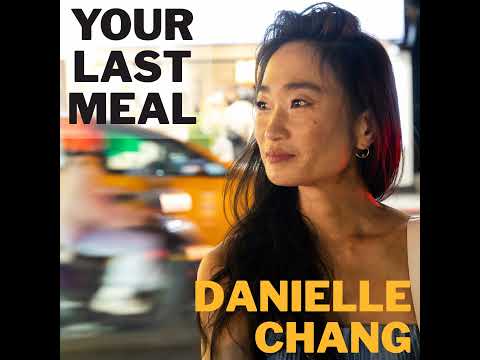
In this blog post, we delve into the life and culinary journey of Danielle Chang, host of PBS's Lucky Chow, as she shares her experiences with food, culture, and identity. From her childhood in Taiwan to her career in food media, Danielle emphasizes the importance of food in bridging cultural gaps and promoting diversity, culminating in her love for hot pot as a metaphor for community and connection.
In the latest episode of Your Last Meal, host Rachel Bell interviews Danielle Chang, the Emmy-nominated host of PBS's Lucky Chow. The show focuses on the intersection of food and culture, and in this episode, Danielle shares her personal journey with food, her experiences growing up in America, and her passion for Asian cuisine. The conversation also touches on the significance of hot pot, a dish that embodies community and cultural exchange.
Danielle Chang moved from Taiwan to Texas at the age of five, a transition that came with its own set of challenges. Arriving in the 1970s, she faced the difficulties of being an immigrant child who did not speak English. She recalls being teased on the school bus, where her peers would chant her mother’s name, Ching Chang, not out of malice but from curiosity.
Despite the challenges, Danielle found solace in her cultural identity through food. She was proud of her Chinese meals, which she believed were more balanced and nutritious than the non-Chinese foods she encountered. This pride in her heritage led her to share her food with classmates, hoping to introduce them to the flavors of her culture.
Danielle's early experiences taught her the power of food as a means of connection. She recalls inviting classmates over to teach them about Chinese culture through food, which helped foster understanding and acceptance. This instinct to use food as a bridge between cultures has been a guiding principle throughout her career.
Before becoming a prominent figure in food media, Danielle had a varied career that included roles as a professor, gallery director, and CEO of a fashion brand. However, her passion for food led her to create the Lucky Rice Asian food festivals, which celebrate Asian cuisine and culture. Her first event, a night market under the Manhattan Bridge, was a vibrant celebration of Asian culinary traditions, reminiscent of the bustling night markets in Taiwan and Shanghai.
Danielle's love for food extends to her fondness for soy sauce, which she humorously admits to carrying in her purse. She shares her experiences of sneaking soy sauce into restaurants, emphasizing its versatility and depth of flavor. Her passion for soy sauce reflects her broader appreciation for the nuances of Asian cuisine and the importance of quality ingredients.
The conversation also touches on the cultural significance of condiments, particularly hot sauce, within the African American community. Myra Flynn, a guest on the show, discusses how carrying hot sauce has become a cultural symbol, rooted in the history of soul food and the experiences of Black Americans during the Great Migration. This connection between food and identity resonates with Danielle's own experiences, highlighting how food traditions can carry deep cultural meanings.
When asked about her last meal, Danielle chooses hot pot, describing it as an art form that allows for creativity and seasonal ingredients. Hot pot is not just a dish; it represents a communal experience where everyone contributes to the meal, symbolizing diversity and togetherness. Danielle's approach to hot pot reflects her belief in the importance of sharing food as a way to connect with others.
Danielle Chang's journey through food is a testament to the power of culinary traditions in shaping identity and fostering understanding. Her experiences highlight how food can serve as a bridge between cultures, promoting diversity and connection. As the new season of Lucky Chow premieres, viewers can look forward to exploring more stories that celebrate the rich tapestry of Asian cuisine and culture.
Danielle's passion for food, culture, and community continues to inspire others to embrace their heritage and share it with the world. Whether through hot pot or soy sauce, the flavors of her childhood remain a vital part of her identity and her mission to promote cultural understanding through food.