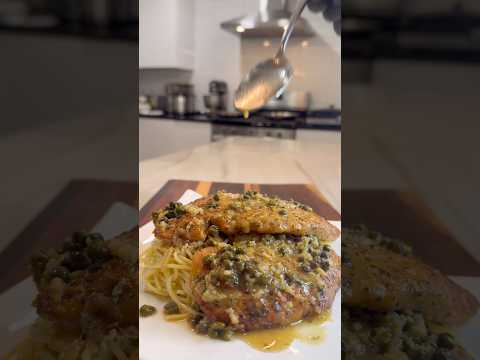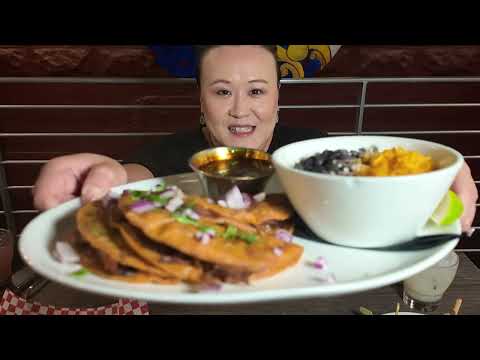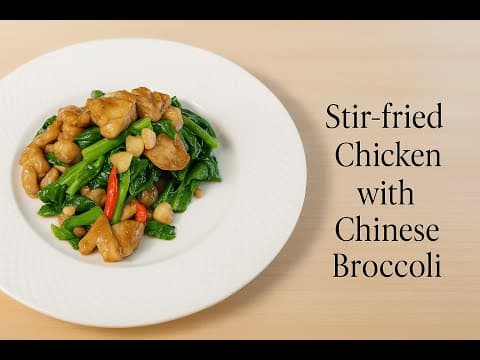
Pein the Chef is an innovative AI recipe site that scrapes restaurant menus to generate recipes, showcasing a unique approach to content creation in the culinary niche. This blog post explores its tactics, potential for replication, and insights into the future of AI in the food industry.
In the ever-evolving landscape of online content, niche sites often come and go, but some manage to capture attention and thrive. One such site that has recently gained traction is Pein the Chef, an AI-driven recipe platform that is currently experiencing significant growth. In this post, we will delve into how Pein the Chef operates, its innovative tactics, and how you can replicate its success even with minimal technical knowledge.
The journey to discovering Pein the Chef began while researching a restaurant called Janice, which I visited for an early Valentine's Day dinner. This experience led me to explore the concept of restaurant menus and how they can be transformed into engaging recipes. The idea of visiting restaurants before the busy Valentine's Day rush proved to be a smart move, as it allowed for a more authentic dining experience without the inflated prices typical of the holiday.
Before diving into the specifics of Pein the Chef, let’s take a moment to review some revenue numbers from the previous day. The total revenue was $2,633, which was a decrease of $800 from the day before. The breakdown included:
These figures highlight the fluctuating nature of online revenue streams, particularly in niche markets.
Pein the Chef operates by scraping restaurant menus and utilizing AI to generate recipes based on the items listed. This process is both fascinating and straightforward:
This method not only provides unique content but also aligns with what users are actively searching for online. For instance, if someone searches for a specific dish like "carna cruda," they are likely to find a recipe generated by Pein the Chef that matches their query.
The structure of Pein the Chef’s website is also noteworthy. The URLs are formatted in a way that is both user-friendly and optimized for search engines, typically following the pattern: domain.com/restaurant-name/recipe-title. This clear structure aids in search engine optimization (SEO), making it easier for potential visitors to find the content they are looking for.
For those interested in creating a similar site, the process can be broken down into manageable steps:
This approach not only allows for the creation of a food blog but also opens avenues for monetization through display ads or affiliate marketing.
The potential for AI in the food industry is vast. As demonstrated by Pein the Chef, there is a growing demand for unique and accessible recipes that cater to specific culinary interests. With an estimated traffic of over 10,000 visits per month, it is clear that users are actively seeking out this type of content.
Pein the Chef exemplifies how AI can be harnessed to create engaging and relevant content in the culinary niche. By scraping restaurant menus and generating recipes, the site has carved out a unique space in the online food landscape. For aspiring food bloggers or entrepreneurs, this model presents an exciting opportunity to explore the intersection of technology and culinary arts. As the demand for innovative food content continues to rise, leveraging AI could be the key to success in this competitive market.