This blog post delves into the fascinating world of food mixing magic theories, testing various combinations like grape with peanut and apple with orange, revealing surprising flavors and textures that challenge our perceptions of food.
In the realm of culinary experimentation, the concept of food mixing magic theories has gained traction. This blog post explores some intriguing combinations that promise to surprise our taste buds and challenge our understanding of flavors.
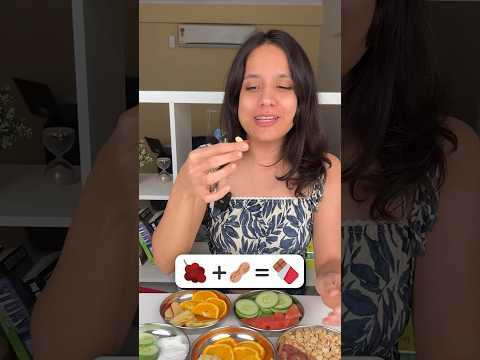
One of the first combinations tested was grape plus peanut, which seems like an odd pairing at first glance. The idea of mixing these two distinct flavors raises questions about how they could possibly complement each other. Surprisingly, a small taste reveals that there is indeed a unique flavor profile that emerges from this combination, hinting at the magic of food mixing.
Next up was the combination of apple and orange, which is often thought to be a classic mix. However, the theory suggests that this pairing could yield a flavor reminiscent of kiwi. Upon tasting, the results were unexpected, as the fusion of these two fruits created a refreshing and vibrant flavor that indeed resembled kiwi, showcasing the potential of fruit combinations.
The combination of cucumber plus sugar was another intriguing test. While cucumbers are typically associated with a refreshing crunch, adding sugar transforms the experience entirely. The result? A flavor that surprisingly resembles watermelon. This unexpected outcome challenges our preconceived notions about how flavors can interact and evolve.
Moving on to pineapple plus orange, this combination is often seen in tropical drinks. The theory suggests that this mix could yield a flavor akin to mango. Upon tasting, the sweetness and acidity of both fruits meld beautifully, creating a delightful tropical flavor that is both familiar and exotic.
Another curious pairing was apple plus cucumber, which the theory dubbed "mushmelon." This combination raises eyebrows, as the textures and flavors of these two ingredients are quite different. However, when tasted, the result is a unique blend that could easily confuse the palate. If one were blindfolded, distinguishing this combination from other melons might prove challenging.
Finally, the combination of marshmallow and melon, referred to as "marshmallon," was tested. This pairing is particularly interesting as it combines the sweetness of marshmallows with the refreshing taste of melon. The outcome is a delightful treat that many might consider the best combination of all, highlighting the joy of culinary creativity.
The exploration of food mixing magic theories reveals that our perceptions of flavor can be delightfully challenged. From grape and peanut to marshmallon, these combinations not only surprise our taste buds but also encourage us to think outside the box when it comes to food. The world of culinary experimentation is vast, and these tests serve as a reminder that sometimes, the most unexpected pairings can lead to the most enjoyable experiences. Embracing the magic of food mixing can open up a new realm of flavors waiting to be discovered.