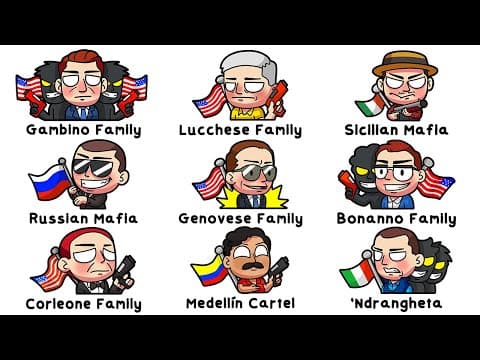
This blog post provides an in-depth look at some of the most notorious mafia families around the world, including the Gambino, Corleone, Sicilian Mafia, Russian Mafia, Bonano, Geneves, Lucazi, Medellin Cartel, and 'Ndrangheta. Each family's unique characteristics, historical significance, and current operations are explored, revealing the complex and often brutal world of organized crime.
Mafia families have long captured the public's imagination, from their portrayal in films to their real-life criminal enterprises. This blog post delves into some of the most notorious mafia families around the world, examining their histories, operations, and the unique characteristics that define them.
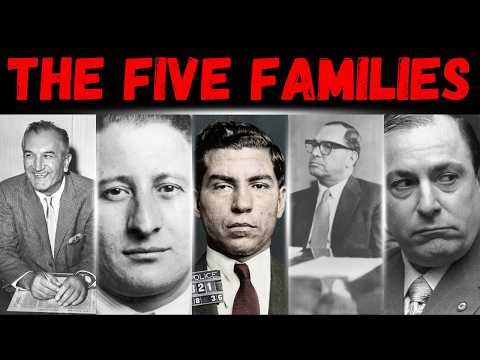
The Gambino family is often likened to the Kardashians of the mafia world—ubiquitous and ever-relevant. Named after patriarch Carlo Gambino, this family became one of the most powerful crime enterprises in America, controlling significant parts of the New York City underworld, including labor unions, narcotics, and even the pizza industry.
After Carlo Gambino stepped down, his cousin John Gotti became the face of the family. Gotti was charismatic and media-savvy, earning the nickname "The Teflon Don" for his ability to evade convictions. However, his reign ended in betrayal, leading to his downfall. Despite Gotti's infamous fall from grace, the Gambino family adapted and thrived, engaging in various criminal activities while maintaining a lower profile to avoid law enforcement scrutiny.
While the Gambinos are a real-life crime family, the Corleone family from The Godfather represents a blend of Hollywood fiction and the realities of mafia life. The character Vito Corleone, created by Mario Puzo, embodies the charm and ruthlessness of real mafia bosses, drawing inspiration from families like the Genovese and Bonano.
The Corleone family's strategies of manipulation and power reflect the tactics used by real mafia families. The famous line, "I'll make him an offer he can't refuse," has roots in the coercive methods employed by organized crime. The Godfather's narrative mirrors the rise of real-life mafia figures who manipulated politics and law enforcement to build their empires.
The Sicilian Mafia, known as Cosa Nostra, is the archetype of organized crime. Founded in the mid-19th century, it exerted control over agriculture and politics in Italy. One of its most notorious acts was the assassination of anti-mafia politician Giovanni Falcone in 1992.
Cosa Nostra's influence extends beyond Italy, involving international drug trafficking and brutal enforcement tactics. Despite their fearsome reputation, they adhere to a code of honor that typically spares women and children, showcasing a twisted sense of ethics.
Shifting focus to the east, the Russian mafia, or Bratva, emerged from the chaos following the USSR's collapse. Unlike traditional mafia families, the Russian mafia operates more like a corporate entity, with connections to political elites and global corporations.
The Bratva's reach includes narcotics, arms trading, human trafficking, and cybercrime. Their ties to political figures blur the lines between government and organized crime, making them a formidable force in global crime.
The Bonano family, founded by Joe Bonano in the 1930s, is often overshadowed by more prominent families. Known for their secretive nature, they faced a significant power struggle in the 1960s that nearly led to their demise.
Despite setbacks, including a mob war in the 1980s, the Bonano family has managed to maintain a low profile while continuing to build their criminal empire through drug trafficking and loan sharking.
Often referred to as the Ivy League of the five families, the Genovese family is known for its strategic and subtle approach to organized crime. Founded by Vito Genovese, they have maintained a low profile while being deeply involved in major criminal operations.
The Genovese family's ability to avoid public attention while exerting significant influence has made them one of the most feared families in the mafia world.
The Lucazi family, founded in the early 1930s, quickly rose to power through aggressive expansion tactics. They are known for their ability to adapt and infiltrate various industries, including labor unions and Hollywood.
The Lucazi family has successfully blended legitimate business practices with organized crime, making them one of the most corporate mafia families in New York.
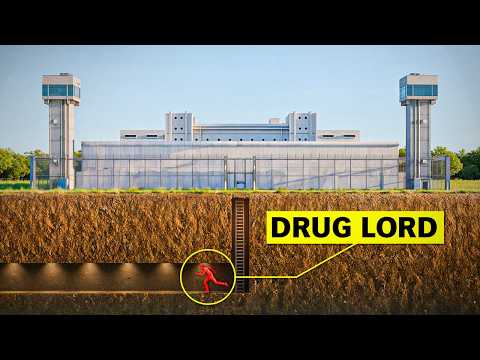
While not a traditional mafia family, the Medellin Cartel, led by Pablo Escobar, dominated the cocaine trade in the 1980s. Controlling 80% of the world's cocaine supply, Escobar's empire was marked by extreme violence and a complete disregard for human life.
Despite his brutal methods, Escobar was seen as a folk hero by some in Colombia, using his wealth to build schools and hospitals. His legacy continues to influence drug cartels today.
Based in Calabria, Italy, the 'Ndrangheta is considered one of the most powerful criminal syndicates in the world. Unlike other mafia families, they operate in silence and secrecy, allowing them to expand their influence globally.
The 'Ndrangheta's unique organizational structure, consisting of semi-autonomous clans, makes them difficult to infiltrate. Their operations span drug trafficking, money laundering, and even legitimate industries, showcasing their extensive reach and capacity for corruption.
The world of organized crime is complex and multifaceted, with each mafia family exhibiting unique characteristics and strategies for survival. From the Gambinos to the 'Ndrangheta, these families have adapted to changing circumstances, proving that the art of reinvention is key to their enduring power in the underworld.