Silver has been a valuable metal for thousands of years, used in money and industry. This article explores three potential scenarios that could drive silver prices down significantly: massive new discoveries, asteroid mining, and technological substitution. While these scenarios are unlikely, silver's industrial importance and historical role as money suggest it will retain value.
Silver has been used as money for thousands of years, but today, most of the silver mined is used in industry. Virtually all modern electronic devices—phones, TVs, computer monitors—contain silver, which is essential for their operation. Beyond consumer electronics, silver is crucial for solar panels, electric vehicles, AI data centers, advanced batteries, energy storage, and medical devices. This makes silver absolutely vital to modern industry.
Given its importance, a question arises: is there anything that could render silver effectively worthless, or will it always hold value? This article explores that question by examining three potential scenarios that could drive silver prices down dramatically.
Silver's unique properties make it indispensable. It is the best conductor of heat and electricity, which is why it is preferred in many industrial applications. Its use spans from everyday electronics to cutting-edge technologies like solar energy and electric vehicles.
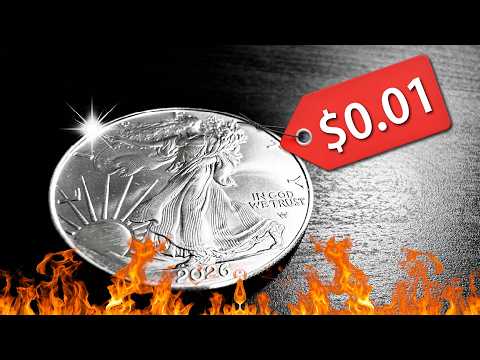
One possibility is a surge in silver production due to new high-grade deposits or reopening old mines. Imagine discovering a huge underground stash of silver that is easy to mine. An oversupply like this would drive prices down significantly, potentially to $5 or $10 an ounce, making silver more like a common industrial metal such as copper or nickel.
However, this scenario seems unlikely. Silver is relatively rare on Earth, and with modern technology—such as aerial surveys and drilling—large undiscovered deposits would likely have been found by now. Additionally, silver supply is largely inelastic because over 70% of it is a byproduct of mining other metals like copper, lead, or zinc. Developing new primary silver mines takes over a decade, and above-ground stocks are being drawn down.
Chance of this happening: 5-10%
Another futuristic idea is mining silver and other precious metals from asteroids. Some believe that in the future, we could extract metals from space and bring them back to Earth at a reasonable cost. While a single asteroid could contain metals worth trillions of dollars, the cost of space missions—launching rockets, mining, and transporting materials back—is enormous.
Currently, this concept seems more like science fiction. Optimistic timelines suggest asteroid mining might become feasible in the 2050s or 2060s, and any influx of metals would likely be gradual. Moreover, flooding the market with asteroid-mined silver could reduce profitability, potentially limiting the scale of such operations.
Chance of this happening: 2-5%
The most plausible scenario is that industries might replace silver with cheaper alternatives. Possible substitutes include copper, graphene, or nickel-copper plating, especially in applications like solar panels. If silver prices rise too high, industries could be incentivized to switch to these alternatives, even if they are less effective.
However, this transition would not be immediate. Retooling manufacturing processes could take 5 to 10 years, and silver's superior conductivity makes it difficult to replace. Some projections suggest silver prices would need to reach $250 to $300 an ounce before industries seriously consider alternatives.
Even if industrial demand declines, individual investors might increase silver purchases, driven by fear of missing out (FOMO). Central banks might also resume buying silver, preventing a price crash.
Chance of this happening: 10-15%
While these three scenarios could theoretically drive silver prices down, all are relatively unlikely. The ongoing industrial demand, combined with silver's historical role as money, suggests silver will continue to hold value.
As the US dollar potentially loses value over time, more people, countries, and banks may turn to precious metals like gold and silver as a store of value. Given silver's unique properties and long-standing monetary history, it remains a prudent asset to hold as protection against economic uncertainty.
What do you think about silver's future? Share your thoughts in the comments.
Thank you for reading, and stay tuned for more insights.