This blog post discusses the recent food recalls in the US and Europe, the impact of agricultural taxes in the UK, and the effects of volcanic eruptions on the environment and economy. It highlights the challenges in food supply chains, inflation, and the need for self-sufficiency in food production, while also touching on the broader implications of these events on global growth and societal shifts.
In recent weeks, the food supply chain has faced significant disruptions due to a series of recalls in the United States and Europe, alongside agricultural tax issues in the UK and environmental challenges posed by volcanic eruptions. This blog post delves into these interconnected events, exploring their implications for food security, inflation, and the economy.
The past month has seen a troubling increase in food recalls across various categories. Notable incidents include:
These recalls highlight a growing concern over food safety and the reliability of the food supply chain, raising questions about the effectiveness of current food safety regulations.
The situation is not limited to the United States. Europe has also seen recalls, including non-food items like deodorants, indicating a broader issue with product safety and quality control. The increasing frequency of these recalls suggests a potential strategy to limit food availability, possibly to drive prices higher.
In the UK, the government has allocated £536 million to support foreign farms while simultaneously implementing an inheritance tax that generates a similar amount. This raises critical questions about the prioritization of agricultural funding and the implications for local farmers.
Additionally, the national insurance tax has increased from 13.8% to 15%, affecting lower income brackets. This dual approach of funding foreign agriculture while taxing local citizens has sparked debate about the sustainability and fairness of such policies.
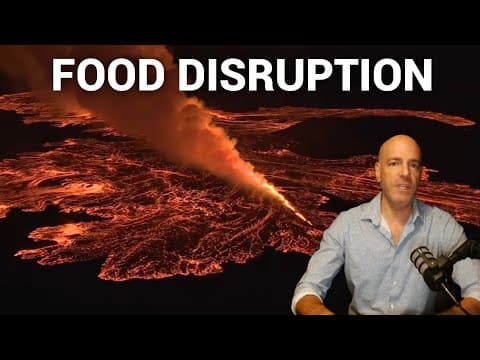
Iceland has experienced significant volcanic activity, with eruptions visible from space. These eruptions have not only created stunning visuals but have also encroached upon inhabited areas, leading to destruction of infrastructure, including the Blue Lagoon facilities.
The slow-moving lava poses a challenge for containment efforts, illustrating the overwhelming power of natural forces. Historical comparisons to previous eruptions highlight the ongoing struggle between human infrastructure and natural disasters.
The combination of food recalls, agricultural tax policies, and environmental disruptions has contributed to rising inflation, particularly in the food and beverage sectors. Reports indicate that restaurant prices have surged by more than 25%, reflecting the broader economic strain.
The International Monetary Fund (IMF) has projected zero growth globally, with negative growth anticipated in Asia. This economic downturn complicates job creation and exacerbates food insecurity, as rising prices and supply chain disruptions continue to challenge consumers.
As society grapples with these challenges, there is a pressing need to revive traditional agricultural skills. The decline of family farming, which once produced a significant portion of food in the US, has left many dependent on commercial systems. Reviving these skills could enhance food security and resilience against future disruptions.
The recent food recalls, agricultural tax policies, and volcanic eruptions underscore the fragility of our food systems and the interconnectedness of global events. As we navigate these challenges, it is crucial to consider how we can foster self-sufficiency and resilience in our food supply chains. The future may depend on our ability to adapt and learn from the past, ensuring that we are better prepared for the uncertainties ahead.