Gold experienced extreme volatility recently, dropping sharply before rebounding amid geopolitical developments. Gareth Soloway, chief market strategist at Verified Investing, explains that gold is currently behaving more like a risk asset than a safe haven, with weak hands needing to be flushed out before a sustainable rally. Despite short-term bearishness, Soloway remains a long-term gold bull, expecting a drop to $3,500 before a rise to new highs. He also discusses silver, oil, the dollar, U.
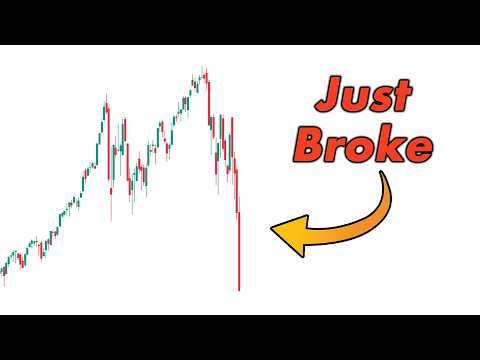
Gold recently experienced one of its most volatile sessions of the year, plunging sharply towards $4,100 an ounce before rebounding back towards $4,450. This wild price action followed news that President Trump would pause strikes on Iranian energy infrastructure for five days, with ongoing diplomatic negotiations potentially easing geopolitical tensions.
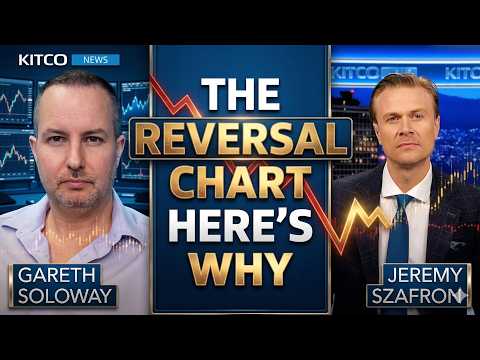
Gareth Soloway, chief market strategist at Verified Investing, who has maintained a bearish outlook on gold this year targeting $3,500 by year-end, joined Jeremy Saffron to discuss the recent price action and market dynamics.
Soloway notes that gold is currently behaving more like a risk asset rather than its traditional role as a safe haven. For example, when oil prices rose before the Trump tweet about talks with Iran, gold sold off, and when markets rallied, gold snapped back. This indicates that investors are treating gold as a momentum or risk-on asset, which means it needs to flush out weak hands before resuming its safe haven status and moving higher.
The potential diplomatic channel through Islamabad and talks involving Iranian parliament officials could lead to easing tensions. Soloway suggests that if markets rally due to these developments, gold might catch a bid in the near term. However, the overall bearish case remains intact until the weak hands are washed out.
Soloway tracks April gold futures and highlights key support and resistance levels:
He explains that a daily close below $4,300 would likely trigger the next leg down to $3,500, which he views as a buying opportunity for physical gold. He emphasizes that while he trades gold for short-term swings, physical gold is held for the long term.
Regarding how low gold can go on a correction, Soloway points to $3,900 as a support level based on historical price behavior. He expects a "Phoenix effect" where after the washout, gold will grind back to all-time highs and potentially reach $10,000 in a few years.
Silver has shown a divergence, with a sharper drop to around $60.89 before recovering above $70. Soloway believes silver is more oversold and a higher risk-on asset compared to gold. He maintains a bearish view with a low-end target of $50 to $54 for silver.
Resistance levels for silver include:
If silver breaks above $93, it could regain bull momentum and head towards $120. However, remaining below $70 suggests further downside.
Gold miners, represented by GDX, have been even more volatile than the metals themselves. Soloway recently went long on GDX as a tactical swing trade, expecting a bounce back to around $94. He advises legging into positions gradually, especially if prices continue to fall, to mitigate risk.
Oil prices reacted sharply to the geopolitical news, with Brent crude sliding from about $113 back towards $100. Soloway argues that oil is close to topping and expects it to come down to $75-$70 or even $65 by June to ease inflationary pressures before the midterms.
Lower oil prices would reduce inflation and soften yields, removing some bearish pressure on gold. However, the current gold price action is more influenced by the need to flush out speculative investors rather than fundamentals alone.
Chicago Fed President Austin Goldsby mentioned the possibility of raising interest rates if the war escalates, which could increase inflationary pressures. Soloway believes this scenario supports his $3,500 gold target, as higher rates and inflation concerns will initially cause a sell-off before gold resumes its upward trajectory.
Beyond geopolitical and commodity factors, Soloway highlights systemic risks in the private credit market, with funds linked to Morgan Stanley and Cliffwater capping redemptions. This $2 trillion market is starting to implode, reminiscent of early 2008 credit issues.
The US 10-year yield has risen sharply, equivalent to a 50 basis point rate hike recently, impacting private credit, mortgages, and real estate. This credit stress could force investors to sell gold not by choice but due to margin calls and liquidity needs.
Despite geopolitical shocks, the US dollar rally has been underwhelming compared to previous crises like the 2022 Russia-Ukraine conflict. Soloway attributes this to a broader "ddollarization" trend, where global powers seek to reduce reliance on the US dollar as a reserve currency.
He expects the dollar to weaken further against currencies like the Canadian dollar and the euro, both showing bullish technical patterns. This weakening dollar trend supports a long-term bullish outlook for gold, which may no longer need a falling dollar to rise.
For investors holding physical gold or gold equities, Soloway advises holding positions and adding on dips rather than exiting. He emphasizes the importance of understanding one's time horizon:
He also suggests Bitcoin as a near-term tactical trade, expecting a relief rally to $80,000-$85,000 before a potential further decline if the stock market drops significantly.
Soloway recommends investors remain aware of their time horizons and avoid emotional decisions driven by headline volatility. The market often pushes investors to their limits, causing poor timing decisions. Staying focused on long-term narratives like ddollarization and fiscal deficits can help maintain perspective.
Gold's next cycle is poised to succeed without relying solely on a falling dollar, as confidence in fiat currencies weakens globally. While short-term volatility and bearish phases are expected, including a potential drop to $3,500, the long-term outlook remains bullish with gold potentially reaching new all-time highs in the coming years. Investors should consider strategic entry points, manage risk carefully, and maintain a long-term perspective amid ongoing geopolitical and economic uncertainties.
This comprehensive analysis by Gareth Soloway provides valuable insights into the complex interplay of geopolitical events, market psychology, technical patterns, and macroeconomic factors shaping the precious metals market today.