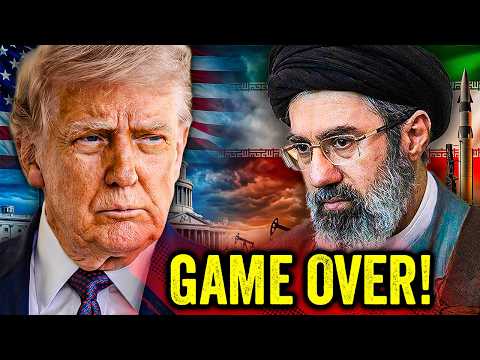
The Trump administration is employing a dual strategy of targeted military strikes and stringent negotiation terms to pressure Iran into surrendering its nuclear stockpile. Recent US strikes on missile sites and mine-laying vessels near the Strait of Hormuz demonstrate military readiness, while the negotiation framework demands Iran relinquish its uranium before receiving any concessions, avoiding past deal pitfalls.
Iran believed it could buy time by stalling talks and waiting for the American public to lose interest, expecting President Donald Trump to back down like his predecessors. However, the Trump administration has taken a firm stance, combining military action with tough negotiation terms to pressure Iran.
On May 26th, the United States military launched fresh, targeted strikes on southern Iran. These were not symbolic gestures but precise attacks on missile sites and Iranian vessels actively attempting to lay anti-shipping mines in the contested Strait of Hormuz. The strikes targeted areas near Bandar Abbas, a southern port city on the strait that hosts one of Iran's largest naval bases.
Additionally, reports indicate a separate strike on Larak Island, a small but strategic island located at the choke point at the mouth of the strait. The targets included missile launchers and mine-laying vessels.
This military action sends a clear message: the United States can simultaneously engage in talks and maintain military pressure. It demonstrates that the US military is vigilant, tracking every boat and mine, ensuring the Strait of Hormuz remains open. The message to Iran is unmistakable — they will have to agree to US terms one way or another.
President Trump’s approach is a brilliant pressure campaign. While negotiations continue, the US military remains active and ready to strike anywhere in Iran at any time. This strategy avoids escalation but also prevents any perception of weakness.
A senior Trump administration official recently outlined the deal framework in detail. The core principle is simple: Iran receives nothing unless it surrenders its nuclear stockpile. The administration uses the phrase "no dust, no dollars" to emphasize this stance. Without handing over highly enriched uranium, Iran will not receive any resources, sanction relief, or concessions.
The deal is structured in two steps:
This structure allows the United States to verify Iran’s compliance without upfront concessions, directly addressing the failures of the Obama-era JCPOA deal, which gave Tehran billions in cash upfront that were exploited.
The framework is designed like a ratchet: every concession Iran makes is locked in and irreversible. However, Iran only receives benefits after each commitment is verified. This approach anticipates potential deception and reneging by Iran, ensuring the US maintains leverage throughout the process.
The Trump administration’s strategy combines military readiness with a tough, stepwise negotiation framework that demands verifiable Iranian compliance before any concessions are made. This dual approach aims to prevent Iran from exploiting the deal as it did in the past and to maintain control over the critical Strait of Hormuz, ensuring global economic stability and security.
This comprehensive pressure campaign marks a significant shift in US-Iran relations, signaling that the United States is prepared to enforce its terms firmly while remaining open to diplomatic solutions.








