The silver market is reportedly being manipulated by the Trump administration to control prices during geopolitical tensions, with Iran's parliament publicly accusing Trump of using fake news to rig financial and oil markets. Despite legislative efforts to derisk precious metals storage, systemic risks remain due to derivative trading and rehypothecation by major banks. Investors are advised to hold physical silver amid ongoing market volatility and manipulation.
The silver market has been under intense scrutiny recently, with allegations of price manipulation linked to the Trump administration. This manipulation is said to be a traditional rigging effort aimed at controlling gold and silver prices during times of war and geopolitical tension. Notably, Iran's parliament has publicly accused former President Donald Trump of using fake news about negotiations with Iran to manipulate financial and oil markets.
A high-ranking Iranian official, Mr. Muhammad Bhar Garab, the speaker of Iran's parliament, made a public statement accusing Trump of fabricating news about talks with Iran to influence markets. He stated, "No negotiations have been held with the US, and fake news is used to manipulate the financial and oil markets that escaped the quagmire in which the US and Israel are trapped."
This accusation came shortly after Trump posted on True Social about "very good and productive conversations with Iran," announcing a five-day pause in hostilities. However, these claims are widely viewed as a tactic to sway markets artificially.
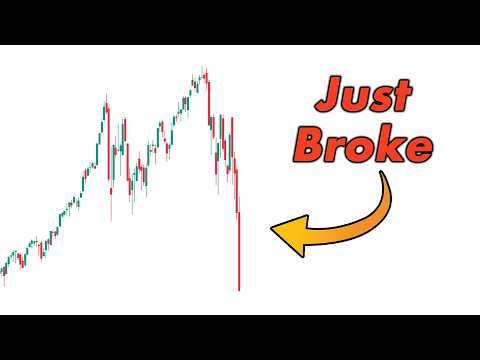
The silver price has been volatile, with attempts to push it towards the 100-day moving average around $73.27, only to be slammed down repeatedly. The 200-day moving average remains lower, near $57, indicating ongoing pressure to keep prices suppressed.
This manipulation is not new and has been ongoing for years, involving major financial institutions like JP Morgan Chase, Bank of America, HSBC, and Deutsche Bank. These banks have been involved in rehypothecation—leasing out silver multiple times—creating a derivative bubble that distorts the true supply and demand.
In response to systemic risks in the precious metals market, two members of Congress introduced the System Integrity Through License Vault Expansion and Resilience Act, also known as the Silver Act. This legislation aims to modernize the nation's precious metal storage framework by:
Currently, precious metals vaults tied to regulated futures markets are confined within 150 miles of New York City, creating vulnerabilities to natural disasters or emergencies. The Silver Act proposes at least two depositories in each U.S. time zone to mitigate these risks.
However, critics argue that the act does not address the core issue of derivative trading and rehypothecation by major banks, which continues to undermine market integrity.
JP Morgan Chase has been identified as a major player in silver market manipulation, holding over 1.2 billion ounces of physical silver and leasing it out extensively. This practice inflates the apparent supply and allows for massive daily trading volumes—up to 540 million ounces in a single day—far exceeding physical availability.
Derivative trading on exchanges like COMEX enables these institutions to control prices with ease, often pushing silver prices down artificially. The Commodity Futures Trading Commission (CFTC) currently lacks full leadership, with only one commissioner in place, raising concerns about regulatory oversight.
Given the ongoing manipulation and systemic risks, investors are advised to acquire physical silver and keep it in their possession rather than relying on paper or derivative products. Physical silver, especially pre-1965 U.S. coinage, is becoming increasingly valuable due to its purity and scarcity.
The market is also seeing a rise in counterfeit silver bars and coins, so purchasing from reputable dealers is crucial. Dealers like Andy Sheckchman at Miles Franklin have been recommended for reliable silver purchases.
The silver market is at a critical juncture. If silver prices break above the 100-day moving average ($73.27), a rapid rise to $85 or higher could follow, potentially reaching new all-time highs. Conversely, a drop below the 200-day moving average ($57) could signal a market bottom.
Cryptocurrencies are also intertwined with the financial system and face challenges, including ownership concentration by nefarious actors and ties to the banking system. However, some tokens like Veritaseum, which holds patents on decentralized finance technologies, are viewed as promising post-crash investments.
The silver market manipulation allegations involving the Trump administration and major financial institutions highlight deep systemic issues in precious metals trading. Legislative efforts like the Silver Act aim to improve infrastructure but fall short of addressing derivative market abuses.
Investors should consider holding physical silver to protect against market volatility and manipulation. Staying informed and cautious is essential in navigating this complex and often opaque market environment.
For those interested in acquiring physical silver, it is recommended to contact trusted dealers and avoid reliance on paper silver or derivatives. The ongoing battle over silver prices reflects broader financial and geopolitical tensions that will continue to impact markets in the near future.