This article explores the differences between various butter types, including their production processes, flavor profiles, and whether the higher cost of premium butter is justified. It covers how butter is made, the impact of butterfat percentages, and the significance of salt content, ultimately concluding that while expensive butter can enhance flavor and texture, the choice depends on individual cooking needs and preferences.
The butter aisle at the grocery store has become increasingly overwhelming, with prices ranging from $1.28 to over $3 per stick. This article delves into whether expensive butter is worth the investment by examining various butter types, their production processes, and their flavor profiles.
Butter is a semi-solid emulsion made from the fat and protein content of churned cream. On a 100g basis, butter typically consists of:
The differences in butter arise from various factors, including the milk source, butterfat percentage, and whether it is salted or unsalted.
When choosing butter, consider the following factors:
Butter has a mild flavor, but its aroma is what truly enhances its appeal. The aroma of butter can vary significantly based on its production process and ingredients. For example, diol and butyric acid are key compounds that contribute to butter's unique aroma.
The texture of butter changes with temperature, affecting its spreadability and cooking properties. Cold butter is firm, while room temperature butter is creamy and easily spreadable. Understanding these temperature transitions is essential for various culinary applications.
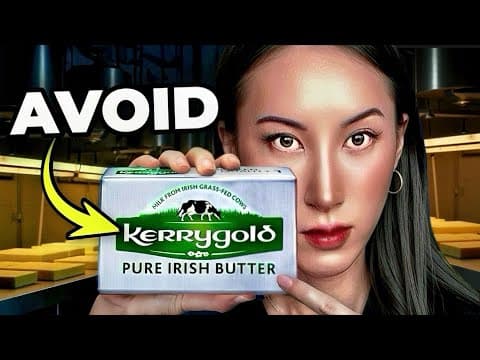
Generally, the price difference between standard and premium butter is minimal, often just 50 cents to a dollar more per stick. For those who use butter frequently, investing in higher-quality butter can enhance flavor and texture in dishes. However, if butter is used infrequently or primarily for cooking aromatics, the cost may not justify the difference.
In conclusion, while expensive butter can offer enhanced flavor and texture, the decision to invest in it depends on individual cooking habits and preferences. Whether you prefer the rich aroma of grass-fed butter or the creamy texture of cultured varieties, understanding the nuances of butter can elevate your culinary experience. Experimenting with different types of butter can lead to delightful discoveries in your cooking journey.