This article explores the differences between cheap and expensive pasta, examining the production process, flavor, texture, and whether the higher cost translates to a better culinary experience. It concludes that while expensive pasta may offer some benefits, particularly in texture and unique shapes, good cooking techniques can yield excellent results with cheaper options.
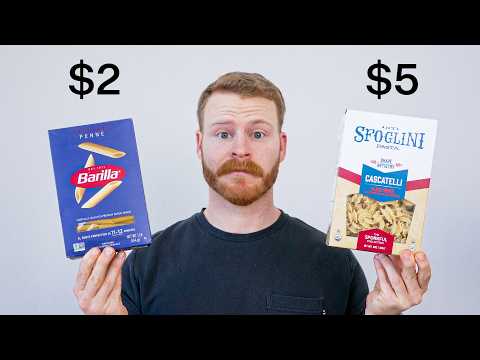
The pasta aisle at the grocery store has become increasingly overwhelming, with prices ranging from a dollar to over nine dollars per box. This article investigates whether the higher cost of pasta is justified by its quality and taste. We will break down the analysis into three main sections: the production process of dried pasta, the flavor profile of different pasta types, and ultimately, whether expensive pasta is worth the investment.
At its core, dried pasta is primarily made from semolina durum wheat, which consists of 74% carbohydrates, 12.5% protein, 12% water, and 1% fat. When cooked, pasta absorbs water, which affects its texture. Understanding the production process reveals why there are such varied price points in pasta.
There are four main variables that influence the price of pasta:
The cost of pasta can be influenced by the quality of the wheat, the production methods, and the scale of the operation. Higher-end brands may source organic durum wheat from small producers, while cheaper brands may use lower-quality wheat without specifying its origin.
Pasta is generally neutral in taste, which means that the flavor often comes from the sauces and ingredients paired with it. A taste test of various pasta types revealed minimal differences in flavor when the pasta was unsalted. Salting the cooking water is crucial, as it enhances the overall taste of the dish.
Aroma plays a significant role in the perception of flavor. Different wheat varieties can produce distinct aromas, but the differences may not be pronounced enough to impact most dishes significantly. The addition of strong aromatic ingredients in sauces often overshadows any subtle differences in pasta aroma.
Texture is a critical factor in the enjoyment of pasta. There are three elements to consider:
Bronze-cut pasta is often praised for its ability to hold sauce better due to its rough texture, but the difference is minimal. Properly emulsified sauces can adhere well to any pasta type.
The question remains: can you create delicious pasta dishes with cheaper options? Absolutely. Understanding the fundamentals of cooking pasta can yield excellent results regardless of the price point. Here are some tips to enhance your pasta dishes:
For those who appreciate the unique textures and shapes offered by more expensive pasta, investing in higher-quality options can elevate your dishes. The texture difference, particularly with bronze-cut pasta, can enhance the overall experience. Additionally, unique shapes can add variety to your meals.
In conclusion, while expensive pasta may offer some advantages, particularly in texture and unique shapes, it is possible to create satisfying pasta dishes with cheaper varieties. Ultimately, the choice depends on personal preference, budget, and the specific dish being prepared. What are your thoughts on pasta? Do you prefer bronze-cut varieties, or do you stick to more affordable options?