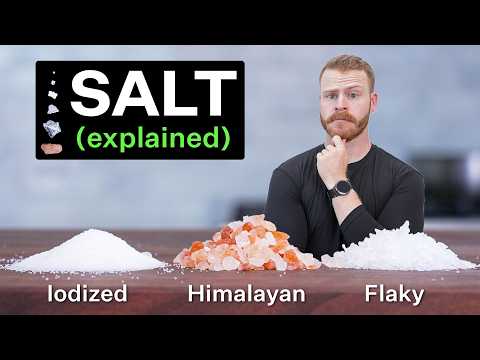
This blog post explores the origins, properties, and effects of salt in cooking, debunking myths about expensive salts and emphasizing the importance of understanding how to use salt effectively for flavor enhancement. It provides practical experiments and insights into the chemistry of salt, making it clear that the type of salt used is less important than how it is applied in cooking.
Salt is the single most important ingredient we use every time we cook. It has the power to transform even the most basic food into a delicious dish. In this post, we will explore the various types of salt available, their origins, properties, and how they affect the flavor of our food. We will also address common misconceptions about salt and provide practical insights for home cooks.
Salt, primarily composed of sodium chloride, is harvested from various natural sources. The most common sources include:
The extraction process typically involves refining the raw salt to remove impurities and then evaporating water to form salt crystals. The size and shape of these crystals can vary based on the source and processing method.
Understanding the properties of salt is crucial for effective cooking. Here are seven key properties:
Salt impacts six fundamental aspects of flavor: taste, aroma, texture, sight, physical sensation, and the human element. Here’s how:
Salt enhances the five core tastes: sweet, sour, bitter, umami, and salty. It is essential to balance salt with these other tastes to achieve a well-seasoned dish. A practical experiment involves seasoning chicken breast with varying amounts of salt to determine the optimal level for flavor enhancement.
While sodium chloride itself is odorless, it can influence the aroma of food indirectly. For example, salt can help achieve browning in meats, which enhances aroma through the Maillard reaction.
Salt can change the texture of food by drawing out moisture. For instance, salting greens can make them limp, while salting meat ahead of time can help achieve a desirable crust.
The visual appeal of food can influence our perception of flavor. Different salt types can enhance the presentation of a dish, making it more appetizing.
Salt can create a physical sensation in the mouth, such as the crunch of larger salt crystals. The rate of dissolution also affects how salty a dish tastes.
Flavor perception is subjective and varies from person to person. Factors such as age, cultural background, and personal preferences play a significant role in how we experience salt in food.
Many misconceptions exist regarding the health benefits and flavor differences among various salts. Here are some key points:
In conclusion, while salt is an essential ingredient in cooking, the type of salt you use is less important than how you apply it. By understanding the properties of salt and how it affects flavor, home cooks can enhance their culinary skills and create delicious dishes without the need for expensive salts. Remember, the key to great cooking lies in mastering the fundamentals and learning to salt by taste.