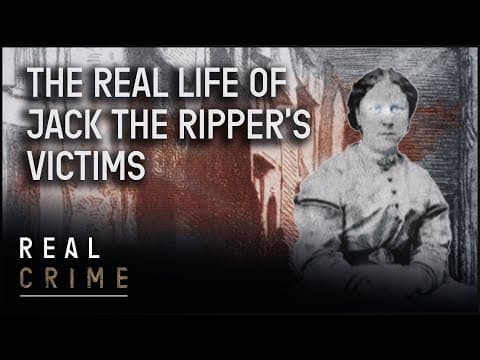
This blog post delves into the infamous Jack the Ripper case, focusing on the victims and the societal context of 1888 London. It explores the brutal murders, the media frenzy surrounding them, and the lives of the women who fell prey to the killer, highlighting the social issues of the time and the lasting fascination with the Ripper legend.
The story of Jack the Ripper is one of the most notorious and chilling tales in criminal history. It is a narrative filled with cruelty, violence, and a series of brutal murders that captivated the public and the press alike. This blog post aims to explore the infamous case by focusing on the victims, the societal context of 1888 London, and the media's role in shaping the Ripper legend.
On August 31, 1888, London was bustling with life, but for some, it marked the beginning of a nightmare. An anonymous killer took the life of a woman in East London, a crime that would soon escalate into a series of murders that left the police seemingly powerless. Over the next ten weeks, four more women would fall victim to this sadistic murderer, who would later be known as Jack the Ripper.
The murders quickly became a sensational story in the newspapers of the time. The press played a significant role in shaping public perception of the events, often prioritizing sensationalism over accuracy. The newspaper industry was booming in the 1880s, with advances in technology making news more accessible to the masses. This environment fostered a culture of 'ripperology,' where the fascination with the killer overshadowed the lives of the victims.
Mary Ann Nichols, known as Polly, was the first victim of the Ripper. Once a respectable woman with a family, her life took a tragic turn due to poverty and alcoholism. After leaving her husband and children, she found herself in Whitechapel, a place notorious for its dangers. On the night of her murder, Polly was turned away from a lodging house due to lack of funds, ultimately leading to her brutal death.
Just days after Polly's murder, Annie Chapman became the second victim. Annie's life was marked by tragedy, including the loss of her siblings to illness and her struggles with alcoholism. On the night of her murder, she was found in a horrific state, her body mutilated in a way that suggested a level of brutality that shocked the public. The press quickly linked her murder to that of Polly Nichols, further fueling the media frenzy.
Whitechapel in the late 19th century was a melting pot of poverty, overcrowding, and social tension. The area was home to many immigrants, particularly Jewish refugees, and was often described as morally degenerate. The living conditions were dire, with overcrowding reaching alarming levels. This environment created a perfect hunting ground for a killer, as the streets were dark and dangerous, especially at night.
The press not only reported on the murders but also shaped the narrative around them. Different newspapers had varying editorial slants, with some criticizing the police's handling of the investigation while others emphasized the vice and criminality of the East End. This sensationalist reporting often overshadowed the real lives of the victims, reducing them to mere headlines.
The name "Jack the Ripper" emerged from a letter sent to the police, mocking their efforts and promising more murders. This letter, along with the gruesome nature of the crimes, contributed to the mythologizing of the killer. The name itself evoked a sense of familiarity and horror, making it easy for the public to latch onto the legend.
The story of Jack the Ripper is not just about the murders but also about the lives of the women who were killed and the society that failed them. By understanding the victims and the context in which they lived, we can gain a deeper insight into the tragedy of the Ripper case. The fascination with Jack the Ripper continues to endure, but it is essential to remember the real human stories behind the headlines.