The markets have experienced a remarkable nine-day rally, driven by optimism around earnings season, particularly in banks and tech sectors like semiconductors. Despite macroeconomic challenges such as inflation and geopolitical tensions affecting commodities like oil and food, markets remain resilient with strong options flows and positive gamma. Key sectors and indices are showing mixed signals, suggesting volatility ahead as investors navigate late-cycle dynamics and upcoming IPOs.
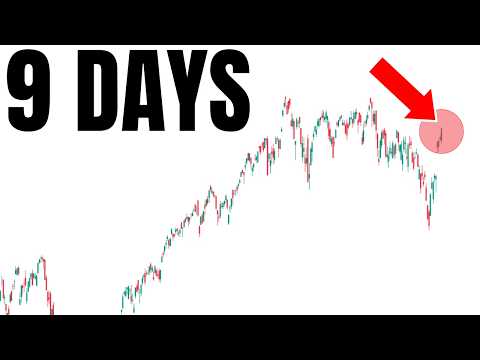
The recent market activity has been nothing short of extraordinary, with the Nasdaq enjoying nine consecutive days of gains and the S&P 500 reversing gaps to squeeze higher. This surge comes as Wall Street gears up for the earnings season, focusing heavily on banks and major tech companies. However, beneath this bullish momentum lies a complex interplay of complacency, optimism, and underlying economic challenges.
The S&P 500 and Nasdaq have posted gains exceeding 9%, a feat tracked closely by analysts like Blue Kurdic on social media platforms. Historical data suggests that such strength often begets further strength, especially when semiconductors—the market's backbone—continue to perform well. Despite some unusual activity in semiconductor stocks, the market has shown resilience, pushing to extreme levels before potentially pulling back to offer second chances to investors.
Historically, midterm election years witness two significant market dips: one in the first quarter and another around midyear. Relief rallies typically occur between March and April, followed by a pullback leading into the elections. Markets tend to bottom just before the midterms, climbing the proverbial wall of worry. Currently, despite various economic pressures, markets appear overly complacent, with consumer sentiment at its lowest in over a decade, even worse than during the Global Financial Crisis.
Earnings remain the central theme driving market direction. Goldman Sachs' latest reports indicate that peak earnings may not have been reached yet, especially in the semiconductor sector, which is crucial due to its ties to AI and emerging technologies. Banks are also in focus, with expectations of strong results fueling optimism.
Semiconductors have been making higher highs and higher lows relative to the S&P 500, signaling strength rather than weakness. This sector's performance is critical as it underpins much of the market's momentum, particularly with the AI-driven growth narrative. However, large transactions and cluster trades in semiconductors suggest heightened volatility, with potential for sharp moves in either direction.
Inflation, particularly in food and energy, remains a significant concern. Data from the Commerce Department shows rising inflation in goods excluding food and natural gas, with expectations of substantial price hikes in fresh produce and other essentials. This inflationary pressure threatens the middle class and complicates the economic landscape.
Central banks face a dilemma as this inflation differs from previous cycles, limiting their ability to intervene effectively. The market currently bets on quick resolutions to geopolitical blockades affecting supply chains, but prolonged disruptions could trigger market pullbacks.
The dollar index is nearing new lows, exhibiting a bearish trend on smaller time frames, though accumulation bases suggest potential for stabilization. The S&P 500 has defied expectations of an island reversal, continuing its upward squeeze and approaching critical resistance levels around 6,900.
Options markets show significant positive gamma, with large call walls forming between 6,900 and 7,000 on the S&P 500, indicating strong bullish positioning. Similar patterns emerge in the Nasdaq and QQQs, with traders betting on continued rallies, some even eyeing levels above 8,000 by year-end.
Bitcoin and Ethereum have also shown encouraging signs, with Bitcoin approaching a critical resistance level that could trigger a breakout if surpassed.
Software vs. Semiconductors: Software stocks have been underperforming relative to semiconductors, which continue to lead the market. This divergence is important to monitor as a shift could signal broader market changes.
Emerging Markets: These markets have experienced classic island reversals with gaps and consolidations, presenting both opportunities and risks due to their inherent volatility.
Chinese and German Markets: Chinese stocks have yet to break out significantly, though some sectors like automotive show improvement. German markets hover below resistance levels, lagging behind U.S. indices.
Commodities: Oil prices have been volatile, with recent spikes followed by sharp declines. The number of oil tankers in strategic locations remains a factor influencing prices. Metals like gold and silver are consolidating near key moving averages, showing no decisive trends yet.
Tesla: After a prolonged period of lower lows and highs, Tesla remains under pressure. The daily 20 moving average has acted as a reliable shorting point. A break above this level could signal recovery, with key support around $330.
SanDisk (SNDK): Exhibiting extreme volatility and large volume spikes, SanDisk's recent price action suggests a potential disconnect from fundamentals, raising caution for investors.
Magnificent 7: This group of tech giants continues to rally modestly, contributing to overall market strength.
The current market environment is characterized by extreme levels of optimism and positive gamma positioning, especially in options markets. While earnings season and strong sector performances support the rally, underlying economic challenges such as inflation, geopolitical tensions, and potential supply chain disruptions pose risks.
Volatility is expected to persist throughout this midterm election year, with markets likely to experience significant swings. Investors should remain vigilant, focusing on earnings reports, sector leadership—particularly semiconductors—and macroeconomic indicators.
Ultimately, following the flows of big money and understanding the interplay between optimism and underlying realities will be crucial for navigating the markets in 2026.
Thank you for reading this comprehensive market analysis. Stay informed and cautious as the year unfolds.