This blog post provides a comprehensive guide on chocolate tempering, detailing the differences between noble chocolate and chocolate coatings, the tempering process, and practical tips for creating delicious Easter treats like bars and bonbons.
As Easter approaches, many people are eager to learn how to work with chocolate, a key ingredient for festive treats. In this guide, we will explore the art of chocolate tempering, discuss the differences between noble chocolate and chocolate coatings, and provide practical tips for creating delicious bars and bonbons that are perfect for selling during this season.
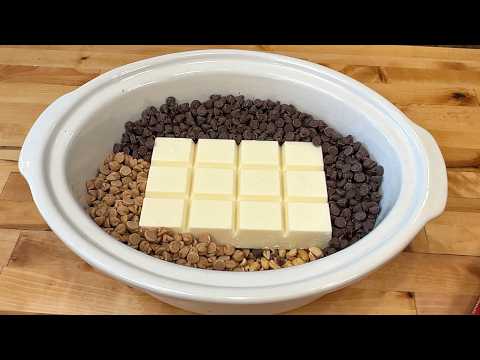
The first question many ask is what constitutes noble chocolate. The key indicator is the presence of cocoa butter in the ingredients. If a product contains cocoa butter, it is considered chocolate. If it does not, it is merely a chocolate-flavored coating.
There are various brands of chocolate coatings available, which can be melted in the microwave and used directly without tempering. While these coatings can be convenient, they do not offer the same flavor or texture as noble chocolate. They are best used in small amounts, such as for coating truffles or in recipes where the chocolate flavor is not the main focus.
Chocolate coatings can be practical for certain applications, such as in small chocolate-covered treats where the filling is the star of the show. However, for those who want to create high-quality chocolate products, using noble chocolate is recommended.
Tempering chocolate is essential for achieving a glossy finish and a firm texture that does not melt easily in your hands. Proper tempering aligns the cocoa butter crystals, resulting in a chocolate that is stable and has a satisfying snap when broken.
There are three primary methods for tempering chocolate:
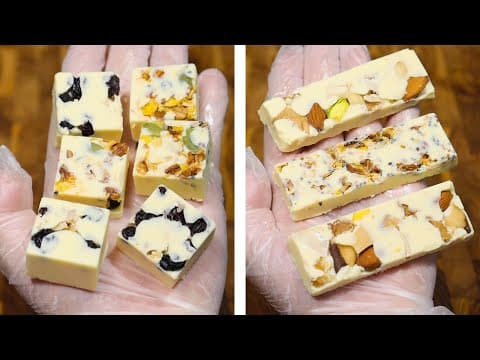
Once the chocolate is tempered, it can be poured into molds. For Easter, consider using molds for bars and bonbons. You can add ingredients like granola, nuts, or dried fruits to the bottom of the molds before pouring in the chocolate.
After the chocolates have set, they need to stabilize for at least 24 hours before being packaged. Proper storage is crucial to maintain the quality of the chocolate:
Tempering chocolate is a skill that can elevate your Easter treats from ordinary to extraordinary. By understanding the differences between noble chocolate and coatings, mastering the tempering process, and following best practices for creating and storing your chocolates, you can create beautiful and delicious confections that are sure to impress.
Thank you for joining me in this chocolate journey! If you have any questions or want to learn more about different tempering methods, feel free to leave a comment. Happy chocolate making!