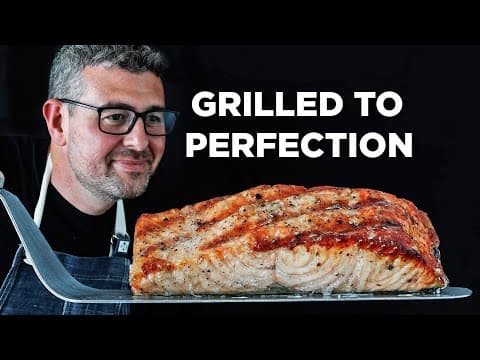
Grilling salmon can often be a frustrating experience for many home cooks. The fish tends to stick to the grill grates, fall apart, or end up overcooked. However, with the right techniques and tips, you can achieve perfectly grilled salmon every single time. In this post, we will explore the differences between farm-raised and wild-caught salmon, essential preparation methods, grilling tips, and a delicious sauce to complement your dish.
Understanding Salmon: Farm-Raised vs. Wild-Caught
When it comes to salmon, there are two primary types you might encounter: farm-raised Atlantic salmon and wild-caught Alaskan salmon, specifically Chinook or King salmon. Here’s a breakdown of their differences:
- Farm-Raised Atlantic Salmon: This type is generally fattier due to its diet and the conditions in which it is raised. It tends to have a milder flavor and is often more affordable.
- Wild-Caught Alaskan Salmon: Known for its vibrant orange color, this salmon has a richer flavor due to its natural diet of krill and shrimp. It is firmer and considered to have a higher nutritional value, although it is usually more expensive.
While both types can be delicious, wild-caught salmon is often recommended for its health benefits and lower contaminant levels. However, if farm-raised is all you have access to, it can still be a great option.
Preparing the Salmon for Grilling
To ensure your salmon cooks perfectly, follow these preparation steps:
- Portion the Salmon: Cut your salmon fillets into eight-ounce portions. This size is ideal for grilling.
- Pat Dry: Use a dry paper towel to pat down the salmon on all sides. Removing excess moisture is crucial as it helps prevent sticking on the grill.
- Oil the Salmon: Generously drizzle olive oil or avocado oil over the salmon, rubbing it in to add flavor and help with the grilling process.
- Season Generously: Season both sides of the salmon with coarse salt and freshly cracked black pepper. Seasoning from a height ensures even coverage.
- Let it Rest: Set the seasoned salmon aside on a plate while you prepare the grill.
Grilling Techniques for Perfect Salmon
Preheat the Grill
Preheat your grill to a temperature between 450 to 550 degrees Fahrenheit. A hot grill is essential for achieving those beautiful grill marks and preventing sticking.
Clean the Grill Grates
Before grilling, clean the grill grates thoroughly using a grill brush. This step is vital to remove any leftover food that could cause sticking. Alternatively, you can use a crumpled sheet of aluminum foil to scrub the grates.
Oil the Grill Grates
Using tongs, brush the grill grates with an oiled towel (made by saturating a clean kitchen towel with olive oil). This creates a non-stick surface for your salmon.
Grilling the Salmon
- Placement: Lay the salmon skin-side up on the grill at a 45-degree angle to achieve perfect grill marks. If you prefer crispy skin, place it skin-side down first.
- Cook Without Flipping: Let the salmon cook undisturbed for about three and a half to four minutes. This allows the fish to cook through and develop a nice crust.
- Check for Doneness: Gently tug on the salmon; if it releases easily, it’s ready to flip. Use tongs and a spatula to carefully flip the salmon.
- Final Cooking: Cook the salmon for an additional two minutes. Aim for an internal temperature of 125 degrees Fahrenheit for medium doneness. If you prefer it more well done, aim for 135 to 140 degrees Fahrenheit.
- Rest the Salmon: After removing it from the grill, let the salmon rest for three to four minutes. This allows the juices to redistribute.
Alternative Cooking Method: Cedar Plank Grilling
For a unique flavor, consider grilling your salmon on a cedar plank. Here’s how:
- Soak the Cedar Plank: Soak the plank in cold water for about 30 minutes.
- Prepare the Salmon: Cut and season the salmon as previously described.
- Grill on the Plank: Place the salmon skin-side down on the soaked cedar plank and grill at 400 to 450 degrees Fahrenheit for 13 to 16 minutes until it reaches the desired internal temperature.
Serving Suggestions
To enhance the flavor of your grilled salmon, consider serving it with a cilantro lime cream sauce. Here’s a quick recipe:
Cilantro Lime Cream Sauce
-
Ingredients:
- 16 ounces of full-fat sour cream
- 1/4 cup of whole milk
- 2 teaspoons of vinegar
- 1/2 cup of sliced green onions (green parts only)
- 1 cup of packed cilantro (including stems)
- 2 garlic cloves
- 1/2 avocado (pitted and seeded)
- Juice of 2 limes (about 1/4 cup)
- Coarse salt and fresh cracked black pepper to taste
-
Instructions:
- Combine all ingredients in a blender and blend on high speed until smooth.
- Taste and adjust seasoning as needed.
To serve, add a generous amount of sauce to the plate, place the salmon on top, and garnish with lime slices and fresh cilantro leaves.
Conclusion
Grilling salmon can be a rewarding experience when done correctly. By following these preparation and grilling techniques, you can enjoy perfectly cooked salmon every time. Whether you prefer it simply grilled or enhanced with a flavorful sauce, salmon is a delicious and nutritious option for any meal. Happy grilling!