This comprehensive guide provides 100 expert tips for cooking the perfect steak, covering everything from selecting cuts to cooking techniques and seasoning. Learn how to choose the best steaks, understand grading, and master cooking methods like reverse searing for optimal flavor and texture.
Cooking the perfect steak is an art that many aspire to master. In this guide, we will explore 100 essential tips that will elevate your steak cooking skills, from selecting the right cuts to mastering cooking techniques. Whether you are a novice or an experienced cook, these tips will help you achieve steak perfection.
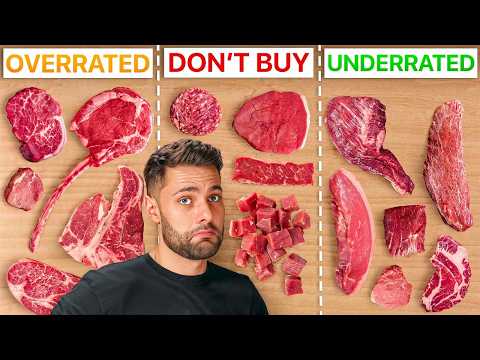
Before diving into the specifics, remember that cooking should be enjoyable. Don't forget to have fun while experimenting with different cuts and techniques. Let's categorize the cuts of steak into three main groups: fancy cuts, daily eats, and cuts to avoid.
These are the premium cuts that are perfect for impressing guests or special occasions. They include:
These cuts are generally more expensive but are forgiving in terms of cooking methods. If you find a good deal, buying them whole can save you money, allowing you to slice them to your desired thickness.
These cuts are more affordable and, when cooked properly, can rival the fancy cuts in flavor. They include:
Some cuts simply do not yield great results, regardless of cooking methods. These include:
When choosing steaks, look for quality indicators such as marbling and consistency. For example, when selecting a New York strip, choose cuts that are consistent and free of chewy fibers. Porterhouses and T-bones should have a well-sized tenderloin and a consistent strip.
Marbling refers to the internal fat within the meat, which contributes to flavor and tenderness. The more marbling, the better the flavor. In the U.S., steaks are graded as Select, Choice, or Prime based on marbling:
Dry brining is a technique that enhances flavor and texture. Season your steak with salt and let it rest for several hours to allow the salt to penetrate the meat. This results in a dry exterior, perfect for achieving a crust when searing.
For thick cuts, reverse searing is an effective method. Start by cooking the steak at a low temperature to achieve even doneness, then finish with high heat to create a crust. This method ensures a perfect edge-to-edge medium-rare.
When searing, use high smoke point oils like avocado oil. Avoid using butter for high-heat cooking, as it burns easily. Ensure your pan is hot before adding the steak to achieve a good sear.
For thinner cuts, prioritize high heat to develop a crust. Flip frequently to ensure even cooking. Rest the steak for a few minutes after cooking to allow juices to redistribute.
When it comes to seasoning, simplicity is key. Use kosher salt for its larger granules, which allow for even distribution. Season your steak just before cooking or up to five minutes prior to ensure a dry surface for optimal crust formation.
While fancy cuts don’t require marinating, daily eats benefit from it. A good marinade includes dry spices, oil, fresh ingredients, acid, salty components, and something sweet. Allow the steak to marinate for at least 20 minutes, or ideally overnight.
Presentation can elevate the dining experience. Use attractive plates, slice at an angle, and consider adding sauces or compound butter for flavor enhancement. A simple garlic bomb can add a delightful touch to your steak.
With these 100 tips, you are well on your way to becoming a steak expert. Remember to choose quality cuts, master your cooking techniques, and enjoy the process. Happy cooking!