In times of uncertainty, knowing how to preserve food without refrigeration can be invaluable. This blog post outlines five traditional canning recipes that not only ensure food safety but also provide delicious meals ready for any occasion. Each recipe includes essential safety measures to prevent botulism, a serious foodborne illness.
1. Canned Beans with Pork Leg
Ingredients:
- 500g of beans
- Smoked pork leg (cut into smaller pieces)
- 1 onion (chopped)
- 4 cloves of garlic (chopped)
- 1 carrot (grated)
- Salt
- Organic spices
- Pepper
- Paprika powder
- 1 tablespoon of vinegar (9%)
Instructions:
- Clean and wash the beans, then place them in a pot and cover with cold water. Boil for 5 minutes.
- Discard the boiling water to reduce bloating effects from the beans.
- Fill clean jars halfway with beans, then layer in onions, grated carrot, garlic, and smoked meat.
- Add salt, organic spices, pepper, paprika, and vinegar. Ensure the acidity is below 5 pH to prevent botulism.
- Fill the jars with water, wipe the tops with vinegar, and seal with clean lids.
- Place the jars in a pot, adding water up to the lid height. Boil for 3 hours.
- After cooking, let the jars cool. The lid should sink in, indicating a vacuum seal.
- Store in a dark, cool place. Before use, heat the contents to 80 degrees Celsius for 10 minutes.
2. Canning Beef Stew
Ingredients:
- 1 kg of beef shoulder (cut into pieces)
- 1 kg of onion (chopped)
- 2 sticks of celery (chopped)
- 1 tablespoon of tomato paste
- 500 ml of tomato juice
- 1 bay leaf
- 4 cloves of garlic (chopped)
- 1 teaspoon of vinegar (9%) per jar
- Salt and pepper
Instructions:
- Heat vegetable oil in a pan and fry the chopped onion for a few minutes.
- Add celery and continue frying for a few more minutes.
- Add the beef and fry for an additional 10 minutes.
- In clean jars, add a bay leaf, tomato juice, garlic, vinegar, salt, and pepper.
- Fill the jars with the beef and vegetable mixture, wipe the tops with vinegar, and seal.
- Place jars in a pot, covering them with water up to the lid height. Boil for 3 hours.
- Allow jars to cool gradually. Store in a dark, cool place and heat to 80 degrees Celsius for 10 minutes before use.
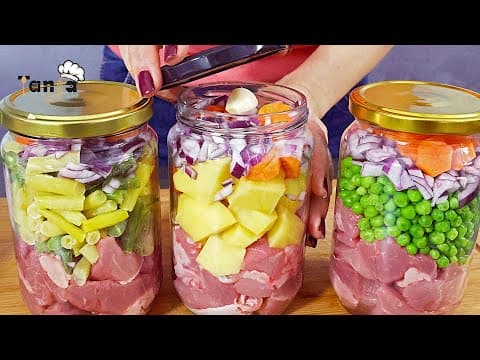
3. Chicken with Vegetables Canned in Jars
Ingredients:
- Chicken meat (cut into pieces)
- 2 tablespoons of rice per jar
- Dry organic seasoning
- Salt, pepper, and garlic
- Onions, carrots, yellow and green beans (fresh or frozen)
- 1 tablespoon of vinegar (9%) per jar
Instructions:
- In clean jars, layer chicken meat, rice, and dry seasoning.
- For the second jar, add onions, carrots, green beans, garlic, and seasonings.
- Fill each jar with water, leaving a finger's width of space at the top.
- Wipe the tops with vinegar and seal.
- Boil jars in a pot for 3 hours. For longer storage, cook for 5 hours.
- Allow jars to cool, ensuring the lid sinks in. Store in a dark, cool place and heat to 80 degrees Celsius for 10 minutes before use.
4. Preserving Pork in Jars
Ingredients:
- 500g of pork loin
- 500g of pork neck
- 1 onion (chopped)
- 2 carrots (grated)
- 4 cloves of garlic (chopped)
- 2 tablespoons of lard
- Salt and vinegar (9%)
Instructions:
- Cut the pork into smaller pieces and prepare the vegetables.
- Fry the onion, carrots, and garlic in lard until golden.
- In sterilized jars, layer the fried vegetables and pork, adding salt and vinegar.
- Fill jars with hot water and seal.
- Boil jars for 180 minutes. For short-term storage, 60 minutes is sufficient.
- Store in a dark place until use. This method provides a complete meal ready to eat anytime.
5. Canning Vegetables with Meat Without a Pressure Cooker
Ingredients:
- Chicken fillet (chopped)
- Celery, carrot, onion, garlic (chopped)
- Corn and peas
- Salt, dry spices, and pepper
- 1 tablespoon of vinegar (9%) per jar
Instructions:
- Layer chicken fillet, vegetables, and spices in clean jars.
- Fill with water, leaving space at the top, and wipe the lids with vinegar.
- Boil jars for 3 hours. Store in a dark, cool place for up to a year.
- Ensure the lid sinks in after cooling. Heat to 80 degrees Celsius for 10 minutes before use.
Conclusion
These traditional canning recipes not only help preserve food but also ensure that you have delicious meals ready for any situation. By following the safety measures outlined, you can enjoy the benefits of home-canned food while minimizing health risks. Whether you're preparing for emergencies or simply want to enjoy homemade meals, these recipes are a great addition to your culinary repertoire.