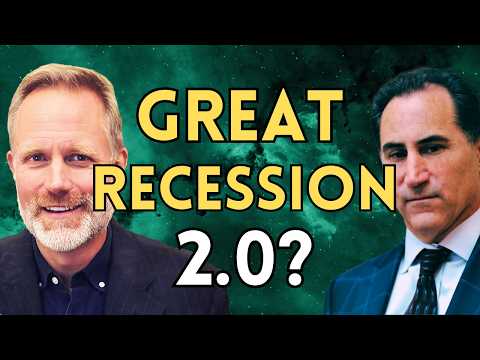
Michael Pento discusses the looming economic challenges reminiscent of the Great Recession, focusing on the bursting of three major asset bubbles in credit, real estate, and stocks. He highlights the impact of the Iran war on oil prices, the end of the credit cycle, and the resulting recession risks. Pento emphasizes the need for active portfolio management amid rising inflation, demographic shifts, and tightening financial conditions.
In a recent discussion on Thoughtful Money, money manager Michael Pento shared his perspective on the current economic landscape, warning of a potential repeat of the Great Recession. He highlights a "triumvirate" of asset bubbles in credit, real estate, and stocks that threaten the fragile economy and the retirement hopes of millions.
Pento explains that the economy is facing a meltdown of three major bubbles:
The war in Iran has exacerbated the situation by causing oil prices to spike, which in turn pressures the American consumer and the broader economy. Oil prices have surged to around $100 a barrel, and Pento expects them to remain elevated due to geopolitical tensions and disruptions in the Strait of Hormuz.
Pento uses a proprietary 20-indicator model that categorizes the economy into five sectors ranging from disinflation/deflation (sector 1) to stagflation/intractable inflation (sector 5). Currently, the model indicates a hybrid between sector 5 (stagflation) and sector 1 (deflation), reflecting the uncertainty and volatility caused by the war and economic conditions.
He has been moving his portfolio to a more defensive stance since January 28th, emphasizing liquidity and flexibility.
Pento outlines several long-term headwinds that will make it difficult to achieve strong real returns in the stock market:
These factors contribute to a secular period of rising interest rates, higher capital costs, and slower economic growth.
The real estate market is also under pressure with the highest home price-to-income ratio ever recorded, surpassing even 2006 levels. Rising mortgage rates and stagnant employment growth have reduced affordability, leading to a forecasted national home price decline of about 23% during the upcoming recession.
Pento shares a personal anecdote of taking a 20% loss on a Florida property purchased in 2022, illustrating the real impact of the market correction.
Private credit, a $2 trillion market, is a significant concern as it represents risky loans to businesses unable to access traditional corporate bond markets. The default rate on private credit loans is currently 9.2%, matching levels seen during the global financial crisis.
Pento warns that private credit troubles are a harbinger of broader credit cycle breakdowns, with high-yield bond yields rising and credit spreads widening.
Given the current economic environment, Pento's portfolio is allocated as follows:
He emphasizes the importance of active management and flexibility in navigating the volatile market.
Pento discusses the challenges the Federal Reserve faces in managing inflation and interest rates. Despite inflation remaining above target for five years, the Fed has expanded its balance sheet by $130 billion since December 2025, primarily to support asset prices rather than the broader economy.
He criticizes the Fed's role in enabling excessive government spending and warns that aggressive rate cuts in response to market downturns could lead to spiraling long-term interest rates and potential hyperinflation.
Pento agrees with other analysts that the current inflationary shock from oil price spikes will lead to demand destruction and a subsequent deflationary recession. He predicts a significant market correction, with stock prices potentially dropping 50% to realign with GDP growth.
Long-term, he expects much lower real returns than the historical average of 7-10%, making retirement planning more challenging.
The aging population and declining labor force participation rate (down from 66% in 2008 to 62% today) mean fewer workers are supporting more retirees. This demographic shift will reduce passive capital inflows into markets and increase pressure on entitlement programs.
Pento advises investors to:
He stresses the importance of working with knowledgeable money managers who can adapt to changing conditions.
Michael Pento paints a sobering picture of the economic challenges ahead, driven by a combination of geopolitical tensions, asset bubbles, demographic shifts, and monetary policy constraints. While the outlook includes significant risks of recession and market corrections, active management and strategic asset allocation can help investors navigate this complex environment.
For those interested in Pento's investment strategies, he manages a long-short portfolio focused on inflation, deflation, and economic cycles, emphasizing liquidity and flexibility.
This comprehensive analysis underscores the need for vigilance and adaptability in today's markets, as the economic landscape is poised to change dramatically in the coming years.