This blog post explores the iconic rectangular pizza served in US school cafeterias during the 1980s and 1990s, detailing its original recipe, preparation process, and the historical context of school lunches during that era.
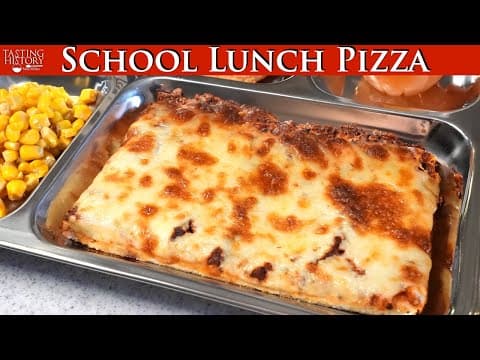
If you grew up in the 80s and 90s in the US, you likely have fond memories of Pizza Day at school. For many, this special day was always on Fridays, featuring the iconic rectangular pizza that many students adored. In this post, we will explore the original recipe from 1988, the preparation process, and the historical context surrounding school lunches during that time.
The recipe for this beloved pizza comes from a 1988 booklet titled "Quantity Recipes For School Food Service," distributed to schools across the United States by the United States Department of Agriculture (USDA). This booklet contained recipes for various school favorites, including instant mashed potatoes, Sloppy Joes, and Salisbury steak. However, the rectangular pizza stood out as a favorite for many.
The original recipe was designed to serve 100, but for practical purposes, we will reduce it to serve 10. Here are the ingredients needed for the pourable pizza crust and the cheese topping:
While the crust is pre-baking, prepare the sauce:
The 1980s and 1990s were pivotal decades for school lunches in the US. The USDA aimed to ensure that children received adequate nutrition through school meals. Each serving of the cheese pizza provided the equivalent of 2 ounces of cooked lean meat, 1/4 cup of vegetables, and two servings of bread.
In the late 1960s, the Black Panther Party initiated a free breakfast program for children in need, which gained significant traction. This program highlighted the importance of breakfast for academic performance and led to the establishment of the School Breakfast Program (SBP) in 1975. However, the SBP faced challenges, including budget cuts and political debates over nutritional standards.
By the 1990s, fast food companies began infiltrating school lunch programs, offering branded products from popular chains. This shift marked a decline in nutritional quality, with many schools serving meals that mirrored fast food offerings. However, in recent years, there has been a push to improve the nutritional standards of school lunches.
After baking, the pizza is ready to be sliced and enjoyed. The aroma and taste evoke memories of school lunches from decades ago. The flavors are reminiscent of the past, perhaps even fresher than remembered. For those nostalgic for this pizza, making it at home can be a delightful experience.
As we reflect on the evolution of school lunches, it is essential to appreciate the hard work of lunch ladies and lunch men who strive to provide nutritious meals for students. Whether you remember the rectangular pizza fondly or not, it remains a significant part of many childhoods in America.