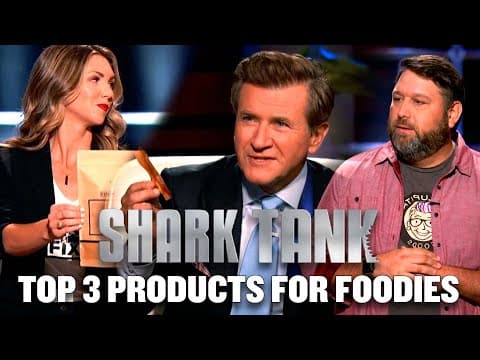
In this episode of Shark Tank, three innovative food products aimed at enhancing the culinary experience were presented: Fish Fix, a seafood delivery service; Umaro, a plant-based bacon alternative made from seaweed; and Tia Lupita, a healthy Mexican food brand. Each entrepreneur shared their unique stories, challenges, and visions for their products, leading to various investment offers and insights into the food industry.
In a recent episode of Shark Tank, three innovative food products aimed at enhancing the culinary experience were presented. Each entrepreneur shared their unique stories, challenges, and visions for their products, leading to various investment offers and insights into the food industry.
First in the tank were Emily and Melissa, two moms from Houston, Texas, who introduced Fish Fix, a seafood delivery service. They sought $200,000 in exchange for 15% equity in their company.
Emily and Melissa highlighted a significant issue: only 20% of Americans meet the dietary recommendations for seafood consumption. The primary reasons for this low number are the lack of confidence in buying, handling, and cooking seafood. Fish Fix aims to change that by delivering perfectly portioned premium seafood directly to customers' doorsteps.
Fish Fix sources high-quality seafood from around the globe, individually portions it for convenience, and freezes it to maintain freshness. Their packaging includes thawing, preparation, and cooking instructions, making it easier for customers to enjoy seafood without the hassle. Additionally, the odor-absorbent bags help eliminate any fishy smells during preparation.
The entrepreneurs reported $821,000 in sales last year, with a profit of $20,000. However, they faced challenges with high customer acquisition costs, which ranged from $30 to $40. They also mentioned that shipping costs accounted for 11% of their revenue, which they hoped to reduce.
Despite the sharks' concerns about the variable costs associated with seafood and shipping, they were impressed by the business model. Ultimately, Lori Greiner offered $200,000 for 25% equity, which the entrepreneurs accepted, believing it would be the best partnership for their growth.
Next up were Beth Zoder and Amanda Styles from Berkeley, California, co-founders of Umaro Protein Company. They sought $500,000 for 2% equity to revolutionize the plant-based meat category with their seaweed-based bacon.
Umaro's product is made from seaweed, a sustainable and fast-growing plant that requires no land, fresh water, or fertilizer. The entrepreneurs emphasized that their bacon alternative is not only healthier but also environmentally friendly.
During the pitch, the sharks tasted the bacon, with mixed reviews. While some found it delicious, others felt it did not fully replicate the taste of traditional bacon. The entrepreneurs explained that they were in the early stages of product development and had already secured purchase orders from restaurant chains.
Despite the innovative concept, the sharks were hesitant about the valuation of $25 million for a product that was still in prototype form. Mark Cuban offered $500,000 for 8% equity, while the entrepreneurs countered with a proposal for 4% non-dilutive equity. After some negotiation, they accepted Mark's offer, believing his experience in the plant-based food space would be invaluable.
The final pitch came from Hector Salivar, founder of Tia Lupita, a brand focused on clean, simple ingredients for Mexican-inspired foods. He sought $500,000 for 5% equity.
Hector shared his personal journey, explaining how he started the brand to honor his family's recipes and provide healthier options in the Mexican food market. His product line includes grain-free tortilla chips and tortillas made from cactus, a sustainable superfood.
Tia Lupita reported impressive sales growth, from $900,000 in 2020 to a projected $4 million in 2022. However, Hector faced challenges with debt and high slotting fees, which impacted profitability. Despite these hurdles, he remained optimistic about the brand's future.
Kevin O'Leary, also known as Mr. Wonderful, offered Hector $500,000 as a line of credit at 12.5% interest for 10% equity. After some negotiation, they settled on a deal where Hector would receive the funding with non-dilutable equity. Hector accepted the offer, recognizing the value Kevin could bring to his business.
This episode of Shark Tank showcased innovative food products that cater to modern consumer demands for convenience, health, and sustainability. From Fish Fix's seafood delivery service to Umaro's plant-based bacon and Tia Lupita's authentic Mexican snacks, these entrepreneurs are making waves in the food industry. Their journeys highlight the challenges and opportunities within the market, as well as the importance of strategic partnerships for growth.