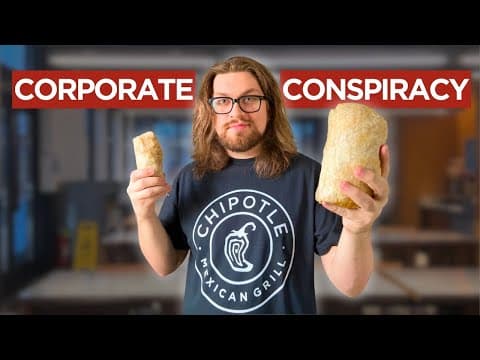
This blog post chronicles a 30-day challenge of eating exclusively at Chipotle, exploring the inconsistencies in portion sizes, the impact of online ordering, and the cultural phenomena surrounding the brand. The findings reveal significant discrepancies in food portions, particularly with online orders, and highlight the need for Chipotle to address these issues to maintain customer satisfaction.
In a unique social experiment, I embarked on a 30-day challenge of eating nothing but Chipotle. This journey was not just about consuming burritos; it was an investigation into the internet's latest cultural phenomenon: Chipotle shrinkflation. With rising prices and complaints about portion sizes, I aimed to uncover the truth behind the controversies surrounding this popular fast-casual restaurant.
Day one of the challenge started with a terrible weather omen, but I was determined. I met friends at Chipotle for my first meal, ordering a chicken burrito with all the standard toppings. However, I quickly noticed a significant difference in portion sizes compared to my friends' meals. This inconsistency set the tone for the days to come, as I realized that ordering from Chipotle could feel like a game of Russian roulette.
To gather data, I devised a plan to visit three different Chipotle locations, ordering a total of 30 burritos and 15 burrito bowls over the course of the month. I would track the weight of each meal, comparing in-person orders to online orders. My goal was to determine whether the portion sizes were indeed inconsistent and to explore the affordability and healthiness of Chipotle as a fast-food alternative.
As I progressed through the first few days, I encountered various challenges. The awkwardness of filming myself eating in public was one, but more importantly, I began to notice patterns in portion sizes. On day three, I tested the online ordering system, which led to a conspiracy theory that online orders received smaller portions than in-person orders. Many TikTok users and Redditors echoed this sentiment, claiming that management instructed employees to skimp on online orders.
By day ten, I had gathered enough data to start analyzing trends. I weighed each burrito and bowl, noting that online orders consistently came in lighter than in-person orders. For instance, I received a burrito weighing only 1 lb 3 oz, significantly less than the 2 lb burritos I had received in person. This discrepancy raised serious questions about Chipotle's online ordering practices.
As I delved deeper into the conspiracy theories surrounding Chipotle, I found claims that the brand used influencers to promote unrealistic portion sizes. While I couldn't find definitive proof of this, the perception of inconsistency was widespread. Many customers reported feeling shortchanged, especially with online orders.
As the challenge neared its end, I continued to experience a mix of emotions. The monotony of eating Chipotle every day began to wear on me, and I longed for variety. I also noticed that the quality of food varied significantly between locations. My final stop at the worst-rated Chipotle in Youngstown, Ohio, confirmed my fears: the food was subpar, and the portion sizes were inconsistent.
After 30 days of eating Chipotle, I can confidently say that the brand faces serious issues:
This 30-day challenge revealed that while Chipotle has the potential to be a healthy and affordable fast-casual alternative, significant inconsistencies in portion sizes and quality undermine that promise. The brand must take customer feedback seriously and implement changes to ensure a consistent and satisfying dining experience. As for me, after a month of burritos, I think it's safe to say I need a break from Chipotle for a while.