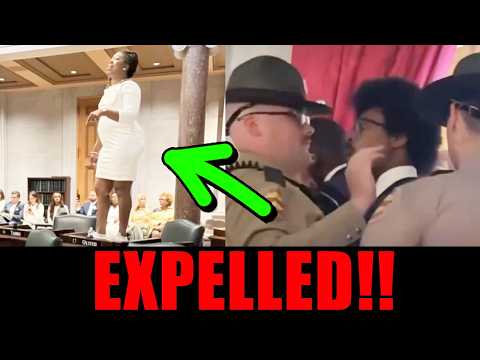
Tennessee's Republican-led House expelled Democratic lawmakers from all committee assignments following their disruptive protests against recent redistricting efforts. The Democrats' actions, including blocking aisles and coordinating with paid protesters, were deemed undemocratic and unconstitutional by Republicans, who argue the new maps ensure fair elections. This incident highlights ongoing partisan tensions over election integrity and legislative conduct.
In a recent political development in Tennessee, the Speaker of the House, Cameron Sexton, removed several Democratic lawmakers from all committee assignments following their disruptive conduct during the passage of new redistricting maps. This move has sparked intense debate about legislative decorum, election integrity, and partisan tactics.
Tennessee recently underwent a redistricting process after a Supreme Court ruling declared the previous district maps illegal due to racial considerations. The Republican-led legislature proposed new maps aimed at ensuring constitutional compliance and fair elections. However, Democrats vehemently opposed these changes, claiming they were unfair and racially discriminatory.
During the second extraordinary session of the 114th General Assembly, members of the Democratic caucus engaged in several disruptive behaviors on the House floor, including:
These actions were described in a formal letter from Speaker Cameron Sexton, which justified the removal of these lawmakers from all standing committees and subcommittees, except where membership is required by House rules.
Republicans argue that the Democrats' behavior was not only disruptive but also undemocratic and indecent. They emphasize that the new redistricting maps are constitutional and necessary following the Supreme Court's ruling against racially based districting. According to Republicans, the Democrats' protests were orchestrated, involving paid protesters and coordinated efforts to disrupt the legislative process.
One Republican commentator highlighted that the Democrats have historically engaged in election cheating and that the new maps represent a correction to ensure fair voting. The disruptive tactics are seen as a last-ditch effort by Democrats who cannot win on the merits of their arguments.
Democrats have characterized their protests as grassroots uprisings and efforts to stand up to power. However, Republicans dismiss these claims, pointing to the organized nature of the protests and the involvement of paid participants.
Some Democrats have accused the redistricting efforts of being racist and have used emotional appeals related to race and mass incarceration to rally support. For example, Democratic lawmaker Justin Pearson has been vocal in framing the conflict as a fight against systemic injustice, though critics label this as race grifting and performative activism.
This incident in Tennessee reflects broader national tensions over election laws, redistricting, and political conduct. It raises questions about:
Republicans maintain that winning elections and legislative battles should be based on democratic processes and arguments rather than disruptive tactics. Democrats, on the other hand, argue that such protests are necessary to highlight perceived injustices.
The expulsion of Democratic lawmakers from committee assignments in Tennessee underscores the deep partisan divide and contentious nature of redistricting battles. While Republicans defend their actions as upholding order and constitutional principles, Democrats view the situation as a struggle against unfair political maneuvers.
As the political landscape continues to evolve, this episode serves as a reminder of the challenges in balancing democratic debate, legislative decorum, and the pursuit of fair representation.
Political discourse and legislative processes thrive on respect, order, and adherence to democratic norms. Disruptive behavior, regardless of political affiliation, threatens these foundations. It remains to be seen how Tennessee's political actors will navigate these tensions moving forward and whether this incident will prompt broader reforms in legislative conduct and election law.
Thank you for reading this comprehensive overview of the recent events in Tennessee's legislature. Stay informed and engaged as these important political discussions continue.








