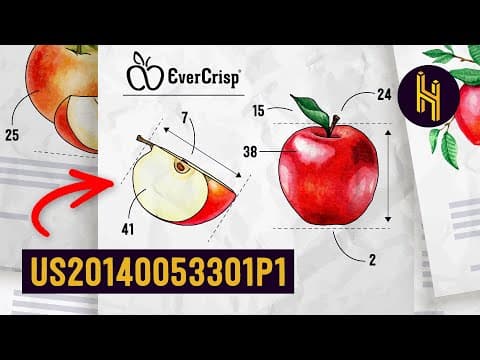
The Ever Crisp apple, a product of 19 years of meticulous breeding and management, exemplifies the evolution of apple cultivation from traditional methods to modern branding strategies, driven by the success of the Honey Crisp apple.
The world of apples is not just about picking fruit from trees; it involves a complex process of breeding, branding, and business strategy. The Ever Crisp apple, a product of nearly two decades of dedicated work, showcases how the apple industry has transformed, particularly in the wake of the Honey Crisp's success. This blog post delves into the intricate journey of creating the Ever Crisp apple and the broader implications for apple cultivation and marketing.
Growing apples is not a cheap endeavor. For commercial growers, the costs can add up quickly. It costs approximately $100 a year to grow apples, plus additional fees for each tree planted. Specifically, growers pay a dollar for every tree they buy, 20 cents per tree from the fourth to the tenth year, and 30 cents per tree every year thereafter. This financial commitment underscores the seriousness of apple cultivation as a business.
The Ever Crisp apple is classified as a club apple, which means its growing, picking, packaging, and sales are tightly controlled by the Midwest Apple Improvement Association. This level of management is crucial for maintaining quality and consistency in the marketplace. Unlike traditional apples, which can vary widely in taste and texture, club apples are designed to meet specific standards, ensuring that consumers receive a product that meets their expectations.
The Honey Crisp apple, introduced in 1991, revolutionized the apple industry. Its unique texture and flavor led to a surge in popularity, particularly after 2007. The Honey Crisp's success prompted apple breeders to seek out new varieties that could match or exceed its quality. This shift in focus led to the development of club apples, which are managed to ensure consistency and quality.
To create a new apple variety, breeders engage in a meticulous process that involves hand-pollinating flowers from two different trees. This process is crucial because apple seeds do not guarantee that the resulting trees will produce apples of the same quality as their parent. Instead, breeders graft branches from proven trees onto rootstock, creating genetic clones of the best apples.
This process can take many years, often resulting in only one commercially viable apple from tens of thousands of trees.
The Honey Crisp apple was developed through extensive crossbreeding efforts, including a notable tree known as M1711. Despite initial setbacks, horticulturist David Bedford recognized the potential of this tree under better growing conditions. The Honey Crisp's unique cell structure, which causes the apple to burst when bitten, set it apart from other varieties. The University of Minnesota patented the Honey Crisp tree, generating significant revenue from tree sales and licensing.
After the Honey Crisp's patent expired, the apple industry saw a rise in club apples. These varieties are protected by trademarks, allowing breeders to charge royalties not only for the trees but also for the apples sold under their brand names. This model ensures that growers adhere to strict standards, maintaining the quality associated with the brand.
These apples are managed by cooperatives that enforce quality standards, ensuring that consumers receive a consistent product.
The journey to create the Ever Crisp apple illustrates the complexities of modern apple breeding and marketing. With the success of the Honey Crisp as a catalyst, the apple industry has evolved to prioritize quality and branding through the club apple model. As consumers, we benefit from this meticulous process, enjoying apples that are not only delicious but also consistently meet high standards. The future of apple cultivation looks promising, with ongoing innovations and a commitment to quality that will continue to shape the industry for years to come.