If you currently hold PSLV or SLV, it is crucial to understand the recent $69 silver crash and how it sets the stage for the upcoming week. This article breaks down the events, the technical and fundamental implications, and provides a clear framework for navigating Monday's market.
The Crash: What Happened?
Silver plummeted from $75.95 to $69 in less than 24 hours, marking a 9% single-session reversal. Gold also dropped by 3.5% during the same period. This sharp decline occurred the morning after a significant announcement by former President Trump stating that the United States has no exit plan from Iran and will strike hard within the next 2 to 3 weeks.
Despite the dramatic price drop, this crash did not weaken the silver investment thesis. Instead, it created a specific technical and fundamental setup that makes the next market move more predictable than at almost any point in the last six weeks.
Was the Crash Real or Manufactured?
The cause of the crash was real:
- The presidential announcement about escalating military operations in a region controlling 21% of global oil supply.
- Oil prices spiking above $105.
- The Federal Reserve's inability to cut rates due to sticky inflation driven by elevated oil prices.
However, the magnitude of the move was manufactured. Genuine fundamental changes usually cause broad, orderly selling with steadily rising volume and measured price declines. Yesterday's 9% drop happened on the second day of the April delivery window for silver contracts, a critical period when 1,726 silver contracts were standing for physical delivery.
Institutions holding massive short positions needed to:
- Cover part of their shorts at the lowest possible price.
- Shake out retail stop-loss orders between $73 and $69 to create liquidity for their purchases.
Trump's announcement provided the macro cover to execute these objectives without appearing as deliberate price suppression.
Differences Between PSLV and SLV
PSLV
- A physical silver trust where each unit corresponds to actual allocated silver bars stored at the Royal Canadian Mint.
- The net asset value (NAV) drops when the paper price of silver falls, but the physical metal remains unchanged.
- No silver was removed from the vault despite the price drop.
- For PSLV holders, the lower price on your screen reflects a paper valuation of a physical asset unaffected by paper selling.
- The key question is whether the fundamental reasons for holding PSLV have changed.
SLV
- Managed by BlackRock, SLV tracks the silver spot price through a combination of allocated silver and operational flexibility.
- SLV has elevated short interest, meaning institutions are betting that SLV holders will panic sell during sharp crashes.
- Selling SLV during the crash potentially means selling into institutional short sellers covering their positions, which is disadvantageous.
- Holding SLV through the crash avoids providing liquidity to these institutional players.
Three Critical Indicators for Monday
1. Vault Number
- The registered vault holds 76.4 million ounces of deliverable silver.
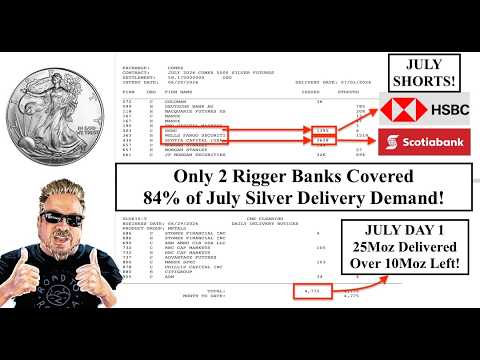
- The April delivery window is still open with 8.6 million ounces of delivery demand.
- Physical delivery or cash settlement must still occur.
- Continued vault drain despite the price crash indicates physical buyers see $69 silver as a discount and are accumulating.
- Physical accumulation at depressed prices is a structurally bullish signal.
2. Dollar Index
- Currently near the 100 level.
- A dollar index below 100 increases purchasing power for Asian institutional buyers, especially Chinese buyers, the largest source of physical silver demand.
- The relationship between the dollar index and silver price is tighter than in the past 12 months.
- A falling dollar index below 100 supports silver's recovery.
- A rising dollar index above 100 slows silver's recovery.
3. Gold to Silver Ratio
- The crash widened the gold to silver ratio as silver fell 9% and gold 3.5%.
- A wider ratio means silver is cheaper relative to gold.
- Institutional funds trading this ratio see a larger relative value argument for silver.
- This latent demand tends to trigger faster and sharper silver recoveries when the macro environment shifts in silver's favor.
Monday Morning Scenarios and What They Mean
Scenario 1: Silver Opens Above $72 and Holds
- Confirms recovery.
- $72 is a key technical level separating support retest from trend reversal.
- If the dollar index is below 100 and vault drain continues, the technical structure from the $61 bottom remains intact.
- Target range remains $82 to $84.
- PSLV holders have confirmed recovery; SLV holders who held validate their decision.
Scenario 2: Silver Opens Between $68 and $72 with Indecisive Action
- Represents consolidation.
- Neither bulls nor bears control the market.
- Vault number and dollar index become tiebreakers.
- Vault draining and weakening dollar indicate accumulation.
- Vault refilling and strengthening dollar suggest possible distribution and further downside.
Scenario 3: Silver Opens Below $68 on Elevated Volume
- Represents a bearish resumption.
- The $75.95 high is reclassified as a failed breakout.
- Next support levels are $66 and $63.50.
- Fundamental story unchanged but technical timeline extended.
- Delivery crisis and vault drain remain real.
- Requires patience, not panic.
Broader Market Context
Trump's announcement implies:
- Oil prices above $100 are a sustained risk premium due to military tensions.
- Elevated oil prices keep inflation expectations high, preventing Federal Reserve rate cuts.
- This creates headwinds for non-yielding assets like gold and silver.
- Higher oil prices increase silver mining costs, causing marginal mines to reduce output.
- This worsens the physical supply deficit, already forecasted to be the sixth consecutive year in 2026.
- Paper price and physical supply realities are diverging, a tension that cannot last indefinitely.
For PSLV and SLV holders, the investment thesis is that physical market realities will eventually be reflected in paper prices.
Advice for Those Who Sold During the Crash
- Panic selling at $69 after holding through a 40% correction is understandable but often disadvantageous.
- The crash was designed to shake out the strongest holders.
- The key question is whether the fundamental reasons for buying have changed.
- Current data shows:
- Vault is still draining.
- Supply deficit forecast remains.
- Institutional price targets remain unchanged.
- Physical demand from Asia remains strong.
- Gold to silver ratio suggests silver is cheaper, not overvalued.
If these remain true, the story remains intact despite the paper price drop.
Final Thoughts
- The $69 crash changed the number on your screen but not the physical fundamentals.
- Use the framework of vault numbers, dollar index, and opening price action to guide decisions.
- Avoid emotional reactions; rely on data and verified information.
- Stay informed and prepared for the evolving market conditions.
Disclaimer: This article is not financial advice. Always conduct your own research and consult a qualified financial adviser before making investment decisions.
By understanding these dynamics, PSLV and SLV holders can approach Monday with clarity and confidence, equipped to make informed decisions based on market realities rather than emotional reactions.