This blog post explores the phenomenon of rebranding traditional Asian foods for Western audiences, highlighting the cultural implications, examples from popular media, and the fine line between appreciation and appropriation.
In today's globalized world, cultural exchange is more prevalent than ever, especially in the realm of food. However, this exchange often leads to the rebranding of traditional dishes, raising questions about cultural appropriation and authenticity. This blog post delves into the trend of making Asian food 'better' through rebranding, using personal anecdotes and recent media examples to illustrate the complexities involved.
As a Chinese Canadian, my childhood experiences at school were marked by the stark contrast between my traditional lunches and those of my classmates. While I carried fried rice sandwiches and rice crackers, my peers enjoyed their mayo and cheese sandwiches. This difference often drew attention and sometimes ridicule, but it also sparked curiosity. When I shared my food, many classmates returned for more, proving that unfamiliarity can lead to appreciation.
With the advent of social media, sharing cultural foods has become easier, allowing for a broader acceptance of diverse cuisines. However, this has also led to a phenomenon where younger generations claim to discover traditional dishes, only to rebrand them with catchy names. For instance, the TikTok trend of "spa water"—a simple mix of water, cucumbers, and sugar—mirrors the traditional Mexican drink "agua fresca," which has existed for generations. This rebranding often strips away the cultural significance of the original dish.
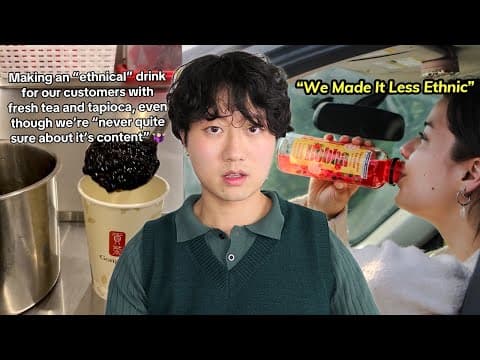
A recent episode of the Canadian reality show "Dragon's Den" featured a pitch for a new twist on bubble tea, a drink with roots in Taiwan. The entrepreneurs aimed to make bubble tea more approachable by removing what they deemed "ethnic" elements. This approach sparked significant backlash, particularly from Simu Liu, a Chinese Canadian actor and investor on the show. Liu raised concerns about the implications of presenting bubble tea as something strange and needing improvement.
The entrepreneurs, Jessica and Sebastian, sought a million-dollar investment for their product, which they claimed was a healthier, more convenient version of bubble tea. However, their pitch implied that traditional bubble tea was too complex or unappealing for a wider audience. This led to accusations of cultural appropriation, as they seemed to suggest that their version was superior to the original.
The backlash against the bubble tea pitch highlights a broader issue of cultural appropriation versus appreciation. While innovation in food is not inherently negative, it becomes problematic when it involves dismissing the cultural significance of traditional dishes. Liu's concerns about the rebranding of bubble tea were valid, as they pointed to a trend where Asian foods are often altered to fit Western tastes, sometimes at the expense of their authenticity.
Another example of this trend is the New York restaurant Lucky Lee's, which marketed itself as a healthier alternative to traditional Chinese food. The owners, who are not of Asian descent, faced criticism for implying that their food was superior to that made by Chinese chefs. This situation underscores the delicate balance between offering healthier options and perpetuating stereotypes about ethnic cuisines.
The rebranding of traditional Asian foods raises important questions about cultural identity and respect. While it is essential to share and celebrate diverse cuisines, it is equally important to do so in a way that honors their origins. As we navigate this complex landscape, we must strive for a balance between innovation and respect for cultural heritage. Ultimately, the goal should be to foster appreciation rather than appropriation, ensuring that all cultures are celebrated for their unique contributions to the culinary world.