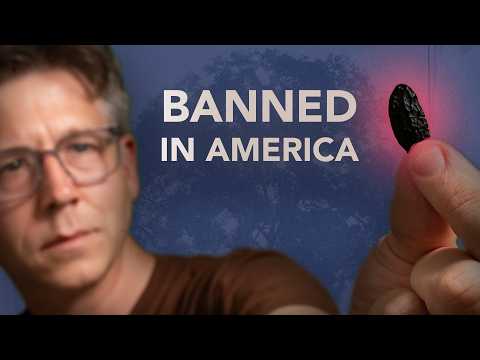
The Tonka bean, known for its vanilla and almond scent, is banned in the U.S. due to historical regulatory fears despite its popularity in other countries. This article explores the bean's journey, the reasons behind its ban, and the ongoing debate surrounding its use in food.
The Tonka bean is a fascinating ingredient that has captured the attention of chefs and food enthusiasts around the world. Known for its intoxicating scent reminiscent of vanilla and almond, this bean is banned for use in food in the United States, despite being a common ingredient in cooking elsewhere. This article delves into the history of the Tonka bean, the reasons behind its ban, and the implications of this regulation.
The Tonka bean is the seed of the Dipteryx odorata tree, native to the Amazon rainforest in Northern South America. It contains a chemical compound called coumarin, which is responsible for its distinctive aroma and flavor. The bean has been used in various culinary applications, including desserts like panna cotta and ice creams, particularly in regions outside the U.S.
The Tonka bean gained international prominence in the early 20th century, becoming a sought-after commodity due to its fragrant properties. By the 1920s and 1930s, its export volume was on the rise, and it was widely used in flavoring and fragrance industries. However, the bean's fate took a dramatic turn in the 1950s.
In the 1950s, the U.S. Food and Drug Administration (FDA) was undergoing significant changes, particularly with the introduction of the 1958 Food Additives Amendment. This amendment required that new food additives be proven safe before being allowed in food products. The Delaney Clause, part of this amendment, stated that no additive could cause cancer in humans or animals.
Despite the Tonka bean's long history of safe use, concerns about coumarin emerged after some flavor manufacturers reported that high doses were toxic to rats. This led to a climate of fear regarding chemicals in food, resulting in the Tonka bean being banned for food use in the U.S. in the 1950s.
The ban on the Tonka bean reflects a broader societal anxiety about chemicals in food during the mid-20th century. Influential figures like James J. Delaney, who led investigations into food safety, contributed to a growing sentiment that chemicals were dangerous. This fear was exacerbated by historical events, such as the use of harmful pesticides and additives in food products.
Coumarin, the compound found in Tonka beans, was often conflated with other chemicals that had negative connotations, such as Coumadin, a blood thinner derived from a related compound. This association may have fueled the panic surrounding the Tonka bean, despite the lack of evidence linking it to any harm in humans.
Today, the Tonka bean remains banned for food use in the U.S., although it is still imported and used in non-food products like perfumes and tobacco. Chefs and food manufacturers often find themselves navigating this regulatory landscape, sometimes using the bean in secret or in products not intended for direct consumption.
There have been discussions about revisiting the ban on the Tonka bean, but financial interests and the lack of a strong advocacy group for its culinary use have hindered progress. The bean continues to be a point of contention, with many chefs lamenting the restrictions that prevent them from using it in their dishes.
The story of the Tonka bean is a compelling example of how regulatory fears can shape food culture and availability. While the bean is celebrated in many parts of the world for its unique flavor and aroma, its ban in the U.S. highlights the complexities of food regulation and public perception of safety. As we continue to navigate the landscape of food safety and chemical use, the case of the Tonka bean serves as a reminder of the importance of evidence-based policy-making over fear-driven regulations.
In conclusion, the Tonka bean's ban is not just about a single ingredient; it reflects broader societal anxieties about food safety and the influence of regulatory bodies. As discussions about food safety evolve, it remains to be seen whether the Tonka bean will ever find its way back into American kitchens.