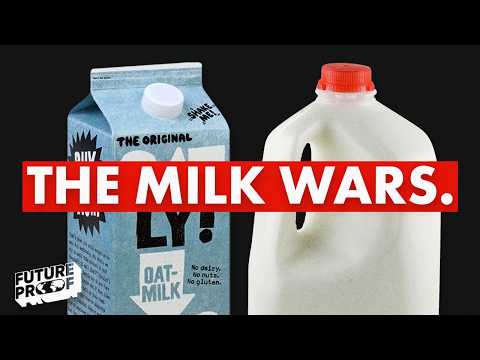
The rise of plant-based milks has slowed, with cow's milk regaining popularity. This blog explores the dynamics of the plant-based milk market, consumer behavior, and the influence of the dairy industry.
When I was growing up, milk was simply milk. Today, however, alternative milks have surged in popularity, becoming a common choice for many North American consumers. Yet, in recent years, the rapid growth of this category has significantly slowed, with cow's milk making a comeback. This article delves into the evolution of the plant-based milk industry, its current challenges, and the factors influencing consumer choices.
Plant-based milks, such as almond, coconut, and oat milk, have been around for centuries but gained mainstream traction in the mid to late 2010s. This surge was largely driven by increasing awareness of the climate crisis and a growing population of lactose-intolerant individuals. Currently, plant-based milks account for about 10% of the overall milk market, with a diverse range of options available, including milks made from oats, almonds, cashews, and even peas.
In today's consumer culture, the type of milk one chooses has become a social indicator. Younger generations, often referred to as the "not milk generation," have embraced plant-based alternatives wholeheartedly. However, within this category, there exists a hierarchy. For instance, oat milk is often viewed as the most environmentally friendly option, while almond milk faces criticism for its impact on California's water supply.
The dairy industry, often referred to as "Big Milk," has a powerful influence over what consumers drink. Historically, campaigns like "Got Milk?" have shaped public perception, making cow's milk synonymous with normalcy and health. Despite the environmental drawbacks of cow's milk—such as higher greenhouse gas emissions and greater land and water usage—the dairy industry continues to lobby for its interests, spending millions annually to maintain its market dominance.
In response to the rise of plant-based milks, the dairy industry has sought to redefine what constitutes "milk." They have pushed for regulations that would prohibit labeling plant-based products as milk, arguing that true milk must come from lactating animals. However, the FDA has ruled that plant-based milks can retain their names, as they are commonly recognized by consumers. This ruling was a setback for the dairy industry, which had hoped to limit competition.
Despite the initial success of plant-based milks, recent trends indicate a potential shift back to cow's milk. In 2023, sales of plant-based milk fell by 7.2%, attributed to rising prices and growing concerns about the nutritional content of these alternatives. Many consumers are now scrutinizing brands like Oatly and Planet Oats for their sugar content and unfamiliar ingredients.
One significant barrier for plant-based milks is their cost. Even as dairy prices rise due to inflation, plant-based options remain more expensive. For budget-conscious consumers, this makes cow's milk a more appealing choice unless they are lactose intolerant.
The future of plant-based milks remains uncertain. While they have not experienced the same dramatic decline as plant-based meats, their market share is under pressure. The dairy industry has responded by diversifying its offerings, introducing organic, lactose-free, and fortified milk options to cater to changing consumer preferences.
As the milk wars continue, the landscape of dairy consumption is evolving. Plant-based milks have become normalized and are often treated equally alongside dairy options in many establishments. However, the competition remains fierce, and the ultimate winner in this ongoing battle for consumer loyalty is yet to be determined. The dynamics of consumer behavior, pricing, and industry lobbying will play crucial roles in shaping the future of both plant-based and traditional milks.