This blog post explores the intricate process of making condensed milk, from the selection of high-quality fresh milk to the final packaging in stainless steel cans, highlighting the importance of each step in ensuring the product's quality and safety.
Hello friends! Today, we’re uncovering the sweet secret behind one of your favorite ingredients—condensed milk! From farm-fresh milk to its final creamy form in a perfectly sealed can, we’ll take you through every fascinating step. So, grab a seat, and let’s dive into the journey of how condensed milk is made!
Condensed milk starts with fresh, high-quality milk. Why is fresh milk so important? It’s because the taste, texture, and richness of the final product depend on the purity of the milk. The better the milk, the sweeter and creamier the condensed milk becomes. Did you know that a single dairy cow can produce 6 to 7 gallons of milk per day, enough to make over 25 cans of condensed milk? That’s why freshness is critical from the very start.
What makes the milk so rich and nutritious? It’s all about the feed. During winter, cows are fed indoors with a balanced diet designed for maximum milk production. This includes high-energy grains, protein-rich silage, and hay to keep them healthy and warm in colder months. Farmers carefully monitor this diet to ensure the milk remains creamy and full of nutrients, even during harsh weather.
Modern dairy farms have revolutionized the milking process with advanced technology, like circular milking machines. Cows instinctively line up, and the system works automatically, ensuring every drop of milk is collected hygienically and efficiently. Each cow is fitted with a milking unit designed to mimic natural suckling. It’s gentle yet highly effective, and the system stops automatically once the process is complete to avoid over-milking. This setup not only protects the cows but also preserves the milk’s quality.
Once harvested, the milk flows through stainless steel pipes into temperature-controlled tanks to prevent spoilage. This step is essential to lock in the milk’s freshness and natural nutrients before it begins its journey to the factory. The next step is getting it to the factory as quickly and safely as possible. Freshness is key, so the milk is loaded into insulated milk tankers as soon as possible. These specialized trucks are designed to maintain the milk at a constant cool temperature of 4°C, ensuring no spoilage during transit. Each truck can carry up to 6,000 gallons of milk, enough to produce 24,000 cans of condensed milk in just one trip. The tanks are sanitized regularly to keep the milk pure and uncontaminated throughout the journey.
As the milk arrives at the factory, the quality assurance process begins. Technicians in the lab test samples for purity, fat content, and bacterial levels, ensuring only the best milk makes it through. These tests are critical because only the highest-quality milk is used to create creamy condensed milk. Once approved, the milk is pumped into giant factory storage tanks equipped with advanced cooling systems. Here, the milk stays fresh and ready for processing.
Before we dive into the process of making condensed milk, let’s talk about the unsung hero of the journey: the containers. Packaging plays a critical role in preserving condensed milk’s freshness and flavor. While some products are packed in plastic, condensed milk is most commonly stored in stainless steel cans. Why stainless steel? It’s durable, safe, and provides an excellent barrier against light, air, and bacteria, keeping the milk fresh for longer.
Creating these containers is a fascinating process. Stainless steel sheets are first cut and shaped into cylindrical cans. Each can is welded and polished to ensure there are no gaps or weak spots that could compromise the milk’s safety. Once shaped, the cans go through a rigorous cleaning process to remove any contaminants, followed by sterilization. They’re heated to 121°C to kill any bacteria or spores, ensuring the milk stays safe and fresh. This step is critical for food safety, and every can is carefully inspected afterward for defects. Stainless steel cans aren’t just about durability; they’re also eco-friendly. These containers are 100% recyclable, making them a sustainable alternative to single-use plastic.
Now that the containers are ready, it’s time to focus on the milk itself. The first step in the factory is preheating. The milk is gently heated to 85–90°C for 10 to 20 minutes, a crucial step in the process. Preheating eliminates harmful bacteria and improves the milk’s texture and consistency, preparing it for the condensing process. It also ensures the milk retains its creamy richness while removing any impurities.
With the milk perfectly preheated, it’s ready to begin its sweet transformation into condensed milk! The process begins with the addition of sugar to the preheated milk. This step isn’t just about adding sweetness—it’s vital for preserving the milk. The sugar solution is heated to boiling to destroy any yeast or spores, ensuring the final product is both safe to consume and shelf-stable. The ratio is key: about 40-45% of the milk’s final composition is sugar. This precise balance gives condensed milk its iconic texture and rich flavor without making it overly sweet.
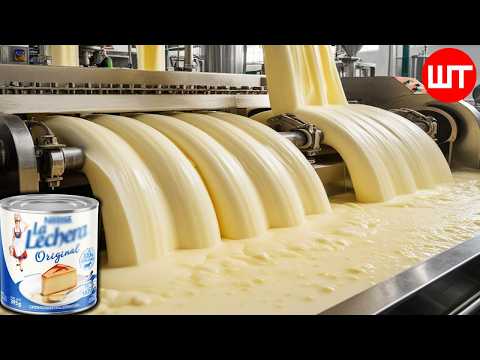
Next, the milk is condensed, and this is where the magic really happens. Using large vacuum evaporators, most of the water content in the milk is removed. The vacuum system allows this to happen at lower temperatures, preserving the milk’s natural flavor and preventing it from developing a scorched or cooked taste. During this step, nearly 60% of the milk’s water is evaporated, and as the milk thickens, its rich, creamy texture starts to take shape.
Once the milk has been condensed, it’s time for homogenization. This step ensures a perfectly smooth and uniform texture by breaking down fat molecules so they’re evenly distributed. Homogenization not only makes the condensed milk velvety smooth but also prevents the fat from separating over time, ensuring it stays perfect for your favorite recipes.
After homogenization, the condensed milk is cooled and allowed to crystallize. Crystallization is a critical step where sugar molecules stabilize within the milk, preventing clumps or uneven textures. This process requires constant monitoring by both machines and skilled technicians to achieve the perfect balance. The final result is a product that’s creamy, sweet, and ready to be packaged.
Before condensed milk can be packaged, every batch undergoes strict quality testing in the factory lab. This step is essential to ensure the final product is both safe and delicious. Technicians carefully analyze the milk for consistency, sweetness, and fat content, ensuring it meets the perfect standards. They also check for impurities or unwanted bacteria to guarantee food safety. But it’s not just the milk that’s tested. The stainless steel containers also go through rigorous inspections. Each can is checked for defects, such as cracks or weak seals, to ensure it is airtight and ready for long-term storage.
Now that the condensed milk has passed all quality checks, it’s time to package this sweet delight—a process that’s a fascinating blend of precision and automation. The stainless steel cans are lined up on a circular production line, moving swiftly yet carefully under automated dispensers. These dispensers are calibrated to fill each can with the exact amount of condensed milk, ensuring perfect uniformity. This minimizes spills, reduces waste, and keeps the process highly efficient.
Next, the lids come into play. Before sealing, the lids are heat-treated to eliminate any bacteria—a critical step for maintaining food safety. Once sterilized, they are automatically placed onto the cans and pressed tightly by a sealing machine. This creates an airtight environment, locking in the creamy sweetness and ensuring the product can last for months without refrigeration.
The process doesn’t stop there. Each sealed can is weighed and inspected by advanced sensors to confirm it meets exact specifications. Any can that doesn’t pass the test is automatically removed, leaving only perfect products to continue on their journey. With every detail meticulously checked, the condensed milk is now ready for the final steps: washing and labeling.
The process begins with a large, tube-shaped washing machine. High-pressure water jets and a food-safe cleaning solution thoroughly clean the exterior of each can, removing any residue or particles left during production. After washing, the cans move through a drying system, where powerful air jets remove every last drop of water. This step ensures the cans are completely dry before labeling, preventing issues like peeling or smudging.
At the labeling station, an automated system works with remarkable precision, applying labels to up to 400 cans per minute. These labels include everything from the brand logo to nutritional facts, expiration dates, and barcodes. Each can is rotated and inspected to ensure the labels are perfectly aligned. Cans with crooked or missing labels are automatically removed from the production line to maintain quality. Finally, the labeled cans are stacked and secured on pallets, ready for shipment.
From here, they’ll be delivered to stores worldwide, completing the journey from fresh milk to your favorite recipes! And that’s a wrap for today! Now you know how our favorite condensed milk is made—from fresh milk at the farm to the neatly labeled cans on store shelves. If you enjoyed this journey, don’t forget to like, comment, and subscribe for more fascinating food stories. Thanks for watching, and see you next time!