This blog post explores the rise of the Sicilian Mafia in the United States following the dismantling of the French Connection heroin trade in the 1970s. It details the emergence of key figures like Carmine Galante and Totò Riina, the evolution of drug trafficking methods, and the undercover operations of FBI agent Joe Pistone, which ultimately exposed the Mafia's intricate networks and led to significant law enforcement successes.
In the late 1960s, American cities faced a growing drug addiction crisis, prompting the government to take action. In 1971, President Nixon declared a war on drugs, leading to significant law enforcement victories, including the dismantling of the French Connection heroin racket. However, this success inadvertently opened the door for the Sicilian Mafia to dominate the heroin trade in the United States.
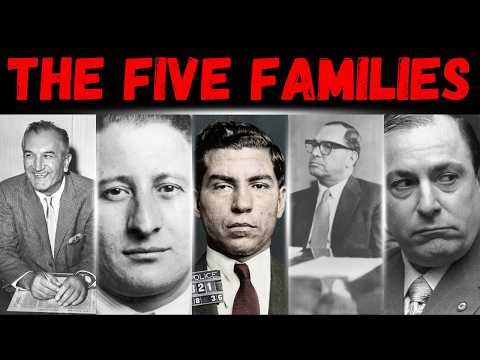
The bust of the French Connection in 1972 resulted in a heroin famine on American streets. Unbeknownst to law enforcement, this vacuum would be filled by the Sicilian Mafia, particularly through the efforts of Carmine Galante, a notorious figure in organized crime. Released from prison in 1974, Galante aimed to flood the U.S. market with heroin, transforming the Mafia into a global drug corporation.
Galante, a member of the Bonanno crime family, was known for his violent reputation and aggressive tactics. His leadership marked a shift in the Mafia's operations, as he sought to establish a heroin trade that surpassed the previous French Connection. With roots in Sicily, Galante leveraged his connections to dominate the heroin market, leading to unprecedented profits and violence.
As the Sicilian Mafia began to fill the heroin void, they established sophisticated smuggling routes. Pakistani suppliers shipped partially refined opium to Sicily, where it was processed into heroin. This operation was spearheaded by Totò Riina, a ruthless Sicilian boss who sought to dominate the Mafia landscape by disregarding traditional codes of conduct.
Historically, the American Mafia had avoided drug trafficking due to its taboo nature. However, the lucrative profits from heroin proved too tempting to resist. Members of various crime families, including the Gambinos and the Chicago Outfit, began to engage in drug dealing despite the risks involved.
Amidst the rising tide of heroin use and Mafia violence, the FBI sought to infiltrate organized crime. Joe Pistone, an agent with Sicilian roots, went undercover as "Donnie Brasco" to gather intelligence on the Mafia's operations. His mission was fraught with danger, as one wrong move could lead to his death.
Pistone's undercover work involved gaining the trust of key figures, including Lefty Ruggiero, a known hitman. Over time, he became an accepted member of the Mafia, learning about their operations and the intricate hierarchy that defined their structure. His insights revealed how the Mafia was organized and how they managed to evade law enforcement.
As the FBI's investigation deepened, they uncovered the "Pizza Connection," a network of pizzerias used to distribute heroin across the United States. This ingenious method allowed the Mafia to hide their drug operations behind legitimate businesses, complicating law enforcement efforts.
Sal Catalano, a key figure in the heroin trade, managed operations from his bakery in Queens. The Mafia utilized various businesses, including pizzerias, to smuggle heroin into the country, often hiding the drugs in shipments of canned tomatoes or cheese. This method allowed them to maintain a low profile while profiting immensely from the drug trade.
Galante's greed and ambition led to tensions within the Mafia. His refusal to share profits with other families made him numerous enemies, culminating in his assassination in 1979. The hit was executed by members of his own crew, highlighting the treachery and violence that characterized Mafia life.
Following Galante's death, the FBI intensified their surveillance of the Bonanno family, leading to significant breakthroughs in their investigations. The Pizza Connection investigation ultimately exposed the Mafia's drug trafficking operations and weakened their influence.
The rise of the Sicilian Mafia in the United States marked a significant shift in organized crime dynamics. Through strategic alliances, ruthless tactics, and innovative smuggling methods, they established a powerful presence in the heroin trade. The undercover efforts of agents like Joe Pistone played a crucial role in dismantling these operations, revealing the complexities of Mafia life and the ongoing battle between law enforcement and organized crime.