This article analyzes recent market manipulations surrounding crude oil prices, focusing on geopolitical tensions at the Strait of Hormuz, the limitations of printing physical commodities like oil, and the looming oil supply shock. It highlights the disconnect between market narratives and physical realities, urging a cautious, medium to long-term investment approach amid ongoing volatility and geopolitical risks.
In recent weeks, the oil market has been a focal point of intense speculation, geopolitical tension, and market manipulation. The Strait of Hormuz, a critical chokepoint for global oil supply, has been at the center of conflicting narratives and political posturing. This article explores the recent developments, the market's reaction, and why an oil shock is inevitable given the physical constraints of crude oil supply.
On April 18th, significant market activity coincided with the US options expiration date. Prior to market open, former President Donald Trump posted on Truth Social claiming that the Strait of Hormuz was open, a statement that triggered a surge in stock buying algorithms. This announcement was widely reported by major news agencies, creating a bullish narrative for oil prices.
However, a closer examination revealed that the Strait of Hormuz was only partially open under strict Iranian terms. Ships were required to follow specific routes near Iranian shores, pay tolls, and exclude belligerent countries. This nuance was largely ignored by mainstream media and market participants, who reacted primarily to headlines.
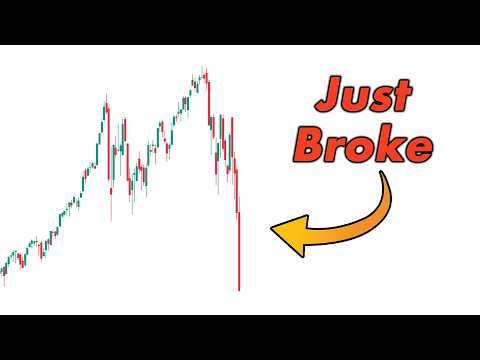
Adding to the complexity, 20 minutes before Trump's posts, a trader placed a massive $760 million short bet on oil, marking the third such occurrence. This led to a sharp crash in oil prices, illustrating the market's susceptibility to manipulation and short-term volatility.
Despite the optimistic headlines, the Iranian government clarified that the Strait of Hormuz remained under their control and could be closed again if the US Navy blockade persisted. Iran's parliament speaker emphasized that Trump's claims were false and unhelpful to ongoing negotiations.
Negotiations between the US and Iran showed minimal progress, with both sides maintaining firm positions: the US refusing to unfreeze Iranian assets, and Iran refusing to relinquish enriched uranium or control over the Strait. The status quo remains, with Iran benefiting from maintaining tight control over this strategic passage.
Unlike paper assets such as stocks or gold, crude oil is a physical commodity that cannot be printed or created out of thin air. This fundamental reality limits the extent to which prices can be manipulated in the long term.
Currently, approximately 550 million barrels of oil supply are missing from the global economy. Experts warn that it could take months or even years to normalize supply levels. Meanwhile, a significant number of empty oil tankers are en route to the US as Europe and Asia compete to secure limited supplies.
Recent data shows a substantial drawdown in crude oil, gasoline, diesel, and other inventories, a trend largely ignored by the market. The Strait of Hormuz is operating at only 5-10% of normal traffic, severely restricting the flow of oil and natural gas.
Some analysts claim that drops in crude and natural gas imports are due to demand destruction. However, this narrative is misleading. The real issue is the lack of available physical supply caused by the Strait of Hormuz's restricted operations.
The last ship to pass through the Strait before the restrictions arrived at its destination only recently, underscoring the lag in supply chain effects. With US drilling stagnant, Russia not increasing output, and OPEC exports declining sharply, the supply-demand imbalance is worsening.
The oil market's transmission mechanism is much faster than that of precious metals like gold or silver. High consumption rates and the critical role of oil in the global economy mean that price shocks can have immediate and severe consequences.
Airlines have already begun raising prices and canceling flights, not due to lack of demand but because of jet fuel shortages and high costs. This trend is expected to continue, affecting various sectors dependent on energy supplies.
Attention should be paid to April 21st, when a major roll in WTI futures contracts is scheduled. At current prices, many long holders may refuse to deliver physical oil, similar to past occurrences in the silver market. This could lead to a sudden spike in prices.
Meanwhile, geopolitical tensions escalate. President Trump has indicated that if negotiations fail, military action against Iran could resume. Iran has responded by closing schools and increasing military readiness. The US Navy's aircraft carrier group has arrived in the region, signaling heightened conflict risk.
Iran holds a strategic advantage by maintaining control over the Strait of Hormuz and is unlikely to relinquish it without a satisfactory peace deal or a successful use of force.
The current oil market is characterized by heavy manipulation, geopolitical uncertainty, and a fundamental mismatch between physical supply and market prices. While short-term price movements may appear controlled or subdued, the underlying realities point toward an inevitable oil shock.
Investors and market participants should adopt a cautious, medium to long-term perspective, recognizing the limitations of paper market manipulations and the critical importance of physical supply constraints.
The coming weeks, especially around April 21st, will be crucial in determining the trajectory of oil prices and the broader economic impact.
Navigating this volatile environment requires critical thinking and skepticism toward headline-driven narratives. The oil market is not a casino, but it is currently behaving like one due to manipulation and misinformation.
Stay informed, be prepared for increased volatility, and consider the broader geopolitical and physical supply factors that will shape the future of oil prices.
Thank you for reading this comprehensive update on the oil market and its impending challenges.