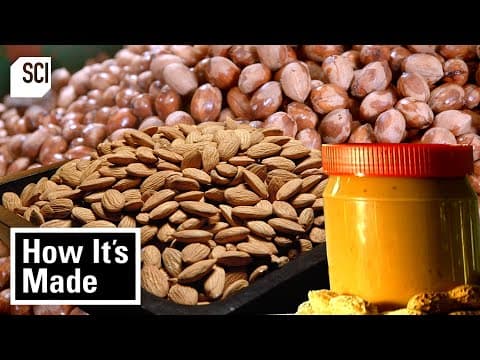
This blog post explores the intricate processes involved in the production of peanut butter, walnuts, almonds, and pecans, detailing each step from harvesting to packaging, and highlighting the nutritional benefits of these popular foods.
Peanut butter, walnuts, almonds, and pecans are staples in many households, cherished for their taste and nutritional benefits. But have you ever wondered how these foods are made? This blog post delves into the fascinating processes behind the production of these popular snacks, from their origins to the final packaging.
Peanut butter has a rich history, with its roots tracing back to the 1400s when Africans made peanut stews. The modern version of peanut butter was invented in 1890 by an American doctor who sought a protein substitute for individuals unable to chew meat due to dental issues.
Selection of Peanuts
The best peanuts for making peanut butter are Runner peanuts, known for their uniform size, which allows for even roasting. To produce an 18 oz jar of peanut butter, approximately 20 oz of peanuts (around 1,000 peanuts) are required.
Roasting
The peanuts are roasted in a hot air roaster heated to 399°F. This machine shakes the peanuts to ensure even roasting, processing nearly four tons of peanuts per hour. After roasting, the peanuts change color from white to light brown.
Cooling
Following roasting, the peanuts undergo rapid cooling using suction fans that circulate air, halting the cooking process and preserving the oil content.
Blanching
The peanuts then pass through a blancher, which removes the outer skins and splits the kernels, discarding the bitter hearts. The skins are repurposed as pig feed, while the hearts are used in bird feed.
Grinding and Mixing
The peanuts are ground into a paste, and other ingredients such as salt, sugar, or natural sweeteners, along with a small amount of hydrogenated vegetable oil for stabilization, are added. Notably, peanut butter contains no artificial colors or preservatives and does not require refrigeration.
Cooling and Packaging
After mixing, the peanut butter is heated to 140°F and then cooled to 100°F before being jarred. The jars are sealed with an aluminum cap that creates an airtight seal, ensuring freshness for up to one year.
Peanut butter is a protein-rich food packed with vitamins, minerals, and fiber. While it contains fat, over 80% of it is unsaturated fat, which can help lower cholesterol levels. However, the hydrogenated vegetable oil used as a stabilizer introduces trans fats, which are less healthy. For a healthier option, all-natural peanut butter can be chosen, requiring occasional stirring to mix the oil that separates.
Walnuts have been cultivated for thousands of years, with evidence of their existence dating back to 7th Century BC Persia. Initially reserved for royalty, walnuts are now mass-produced to meet global demand.
Harvesting
Walnuts take five years to grow and are harvested using mechanical shakers that remove the husks.
Initial Processing
At the processing plant, walnuts are separated from debris and cooled in bays. They undergo fumigation to eliminate insects.
Cracking
The walnuts are sorted by size and cracked using machines that apply precise pressure to avoid damaging the nuts. This process is highly efficient, cracking 80-90% of the walnuts.
Sorting and Packaging
After cracking, the nuts are sorted by size and inspected for shell fragments. The final product is packaged for the food industry, ready to enhance various recipes.
Almonds have been consumed since Biblical times and were even used in ancient Roman wedding rituals to symbolize fertility.
Arrival and Cleaning
Upon arrival at the processing facility, almonds are still encased in hulls. They are cleaned and sorted to remove debris and stones.
Dehulling and Sorting
The hulls are removed, and the almonds are sorted by size. A gravity table separates heavier contaminants from the almonds.
Quality Control
Cameras and air blasts are used to identify and remove imperfect almonds. Human inspectors further ensure quality by discarding any flawed nuts.
Final Processing
The almonds are sorted again by size and prepared for packaging, either as whole nuts or processed into products like almond butter and milk.
Pecans are native to South Central North America. The name "pecan" comes from an Algonquin word meaning a nut that requires a stone to crack.
Harvesting
During harvest, machines shake the trees to drop the nuts, which are then collected and cleaned.
Dehusking and Sorting
Pecans are sorted to remove any remaining husks and cracked nuts. They are dried to reduce moisture content, which is crucial for maintaining quality during shelling.
Shelling and Quality Control
The pecans are cleaned and rehydrated before being cracked using automated machines. They are sorted by size and inspected for any remaining shell pieces.
Final Packaging
The pecans are packaged for retail, either as whole nuts or as ingredients for various food products.
The production of peanut butter, walnuts, almonds, and pecans involves intricate processes that transform raw agricultural products into beloved snacks. Understanding these processes not only enhances our appreciation for these foods but also highlights the importance of quality control and sustainability in food production. Whether enjoyed as a snack or used in recipes, these nuts and spreads continue to be a staple in diets around the world.