This article explores the concept of 'slop' in food culture, contrasting it with artisanal food preparation. It discusses how mass-produced food reflects a loss of individuality and dignity, while artisanal methods celebrate uniqueness and care. The implications extend beyond food to technology and culture, highlighting the importance of recognizing our dignity in consumption choices.
In recent years, social media has brought global attention to Indian street food, often met with mixed reactions. While some celebrate its vibrancy, others criticize it for perceived unhygienic practices. This discourse has sparked a broader conversation about the nature of food, particularly the concept of "slop," which is typically defined as food in a viscous liquid form, often associated with animal feed. This article delves into the implications of slop in our food culture, examining its relationship with dignity, individuality, and the broader societal context.
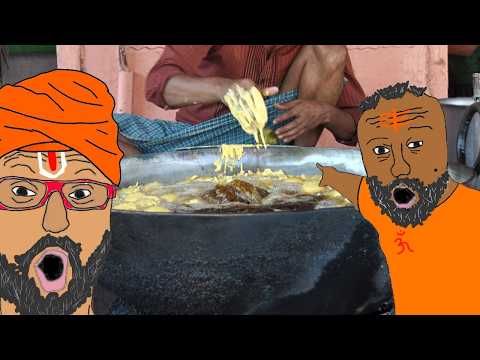
Slop is often viewed negatively, associated with a lack of hygiene and care in food preparation. The visceral reactions to street food, such as witnessing unsanitary practices, distract from the deeper philosophical questions surrounding slop. For instance, a dish prepared in a mosque in India exemplifies slop: five metric tons of rice flour and other ingredients are mixed in a giant cauldron, cooked for hours, and served to thousands. This process, while seemingly unrefined, is driven by good intentions to nourish a community.
The production of slop is characterized by a lack of differentiation among consumers. The cooks do not consider individual preferences; their focus is solely on mass production to meet the needs of many. This raises questions about human dignity, as the recipients of slop become indistinguishable from one another. Despite its unappealing presentation, slop can be nutritious and even enjoyable, highlighting the utilitarian merits of such food.
On the opposite end of the spectrum lies artisanal food, which is crafted with care and intention. In Japan, for example, chefs create intricate dishes that reflect their expertise and dedication. This method of food preparation is not just about sustenance; it is an art form that communicates respect for the individual diner. The distinction between slop and artisanal food lies in the method of production and the intention behind it.
The philosophical concepts of individuation and homogenization are crucial in understanding the difference between slop and artisanal food. Individuation refers to recognizing each person as unique and deserving of dignity, while homogenization reduces individuals to a common denominator. Artisanal food embodies individuation, as it is tailored to the specific desires of the diner, whereas slop represents homogenization, where the uniqueness of individuals is lost in the mass production process.
The implications of slop extend beyond food. The industrial processes that produce slop can be seen in various aspects of modern life, including technology and culture. Mass-produced goods, while often functional, lack the uniqueness and special qualities that artisanal products possess. This raises concerns about the loss of individuality and dignity in our consumption choices.
The Industrial Revolution has contributed to the prevalence of slop in our lives, creating a society where high-quality artisanal goods are overshadowed by mass-produced items. This phenomenon is reflected in the cultural landscape, where popular entertainment often becomes homogenized, leading to a shared but superficial experience among consumers. The rise of AI-generated content further complicates this issue, as it produces the illusion of creativity without the personal touch of an artist.
While slop serves a functional purpose in satisfying our basic needs, it also represents a sacrifice of our dignity and individuality. Engaging with slop, whether in food or other aspects of life, can diminish our sense of self-worth and respect. As we navigate our choices in consumption, it is essential to recognize the value of individuality and strive for higher standards in our lives. By choosing artisanal over slop, we affirm our uniqueness and the dignity that comes with it, fostering a deeper connection to the world around us.