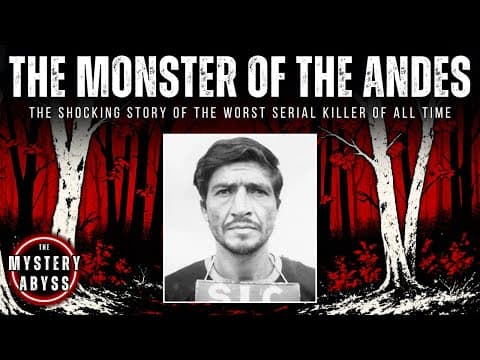
Pablo Escobar, born in 1949, transformed from a humble background into one of the world's wealthiest drug traffickers. His ambition, ruthlessness, and innovative smuggling tactics led to the creation of the Medellin Cartel, which dominated the cocaine trade in the 1980s. Despite his philanthropic efforts, Escobar's violent methods and disregard for the law ultimately led to his downfall and death in 1993. This blog explores his life, criminal empire, and the legacy he left behind.
The life of Pablo Escobar is a rags-to-riches story with a criminal twist. Born on December 1, 1949, in Colombia, Escobar rose from humble beginnings to become one of the most notorious drug traffickers in history. With an estimated net worth of $30 billion, he was once named one of the ten richest people on earth by Forbes. This blog post delves into how Escobar transformed from a farmer's son to the king of cocaine.
Escobar's ambition was a driving force in his rise to power. He famously stated, "I want to be big," reflecting his aspirations from a young age. Initially, he pursued political science at La Universidad de Antioquia but dropped out due to financial constraints. This pivotal moment marked the beginning of his criminal career, which started with small-time crimes such as car theft and even stealing tombstones.
Escobar's criminal activities escalated as he began smuggling cigarettes and marijuana. His ambition to climb the criminal ladder led him to adopt a ruthless approach, which included kidnapping and murder. In the 1970s, he recognized the burgeoning demand for cocaine in the United States and seized the opportunity to dominate this emerging market.
In 1975, Escobar made a significant move by allegedly ordering the murder of Fabio Restrepo, a rival cocaine trafficker, thereby taking control of Restrepo's drug trafficking operation. He formed the Medellin Cartel with a diverse group of individuals, including:
Under Escobar's leadership, the Medellin Cartel expanded its operations and developed innovative methods for smuggling cocaine into the United States. They moved away from using suitcases and human mules, opting instead for their own aircraft, including small planes that could evade radar and larger planes for bulk shipments.
The cartel employed various clever tactics to transport cocaine, including:
At the peak of his operations in the 1980s, Escobar was transporting approximately 15 tons of cocaine daily, earning around $420 million weekly.
Escobar's immense wealth allowed him to live lavishly. He owned a Learjet specifically for moving money and resided in a mansion complete with swimming pools, artificial lakes, gardens, and even a private zoo. He constructed a soccer arena and a bullring for entertainment, employing 700 workers to maintain his estate.
Despite his criminal activities, Escobar sought to win the favor of the local community by investing in social projects. He built churches, sports facilities, and housing for the poor, including a neighborhood named Barrio Pablo Escobar. Many beneficiaries of his generosity viewed him as a hero, which helped him maintain a degree of safety among the populace.
However, Escobar's philanthropic efforts did not mitigate his violent reputation. He employed a brutal strategy known as "plata o plomo" (silver or lead), where he would first attempt to bribe anyone who opposed him. If they refused, he would resort to murder. The death toll attributed to Escobar is staggering, with estimates suggesting he was responsible for the deaths of at least 40 judges, 200 court officials, 1,000 policemen, and up to 3,500 civilians, with some estimates reaching as high as 60,000.
Escobar believed he could evade the law indefinitely. For a time, he succeeded, thanks to corrupt judges willing to accept his bribes. When he was finally arrested in 1991, it was under an agreement with the Colombian government that he would not be extradited to the U.S. He served his sentence in a luxurious prison he built, known as La Catedral, where he continued to run his drug operations.
However, his downfall began when he could not restrain his violent tendencies. In 1992, he had two associates tortured and killed within La Catedral, prompting the Colombian government to plan his transfer to a regular prison. Upon learning of this, Escobar fled.
Escobar evaded capture for 16 months, but the Colombian authorities, aided by a special squad of U.S.-trained soldiers known as the Search Bloc, eventually tracked him down through a traced phone call. In December 1993, he was located in Meta, Colombia. Reports indicate that he died in a shootout with police, but many, including his family, believe he committed suicide to avoid extradition to the U.S.
Pablo Escobar's life is a complex narrative of ambition, wealth, violence, and philanthropy. While some admire his success despite his criminality, others view him as a low-down criminal who ultimately got what he deserved. His legacy continues to provoke debate and reflection on the impact of drug trafficking in society.