The Dubai chocolate trend, characterized by its extravagant flavors and viral marketing, has quickly captured attention but is already showing signs of decline. This blog explores the factors behind its rapid rise, the cultural implications, and the inevitable market saturation that leads to its downfall.
In the ever-evolving world of food trends, the latest sensation to capture the internet's attention is the Dubai chocolate craze. Following the recent hype around oversized desserts like crumble cookies, the Dubai chocolate bar has emerged as a new novelty dessert, seemingly propelled into the spotlight by a single viral video. However, as with many trends, the excitement is fleeting, and the reality behind the hype is worth exploring.
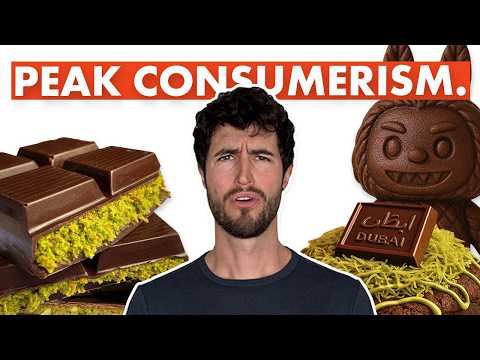
The Dubai chocolate bar is not just any chocolate treat; it features a unique combination of milk chocolate with a sweet cream filling made from pistachios, tahini, and finely chopped kadif. The bars vary in texture, ranging from crunchy to smooth, but they are generally known for their intense sweetness and large size. Influencers have taken this trend to new heights, showcasing extravagant variations that often seem excessive.
The Dubai chocolate trend has had a significant economic impact, generating over $22 million in revenue for Dubai Duty-Free in just the first quarter of the year. This surge in popularity has prompted major chocolate companies to rush to capitalize on the trend, with even established brands like Crumble Cookies joining the fray. The trend's rapid growth is a testament to the power of social media and viral marketing.
Several factors contributed to the Dubai chocolate bar's rise:
Despite its initial success, the Dubai chocolate trend is already showing signs of decline. As more companies enter the market, the novelty of the product diminishes. Google Trends indicates a downward trajectory in interest, reflecting the natural lifecycle of food trends in today's fast-paced consumer culture.
As demand increases, the market responds by flooding it with cheaper, lower-quality alternatives. This phenomenon is not unique to Dubai chocolate; it mirrors the trajectory of other trends, such as the Stanley water bottle, which has seen countless knockoff versions emerge. The original bars, made in limited supply, are now competing with mass-produced imitations that lack the same quality and craftsmanship.
While some food trends, like matcha, have deep cultural roots, the Dubai chocolate trend lacks a genuine connection to its namesake. The UAE does not produce cocoa and is primarily an importer of chocolate. The trend seems more like a marketing gimmick than a reflection of authentic culinary culture, which may contribute to its rapid decline.
The allure of food trends often stems from our consumer-driven society, where social connections are increasingly tied to consumption. The desire to participate in the latest craze can lead individuals to purchase products that may not meet their expectations. This phenomenon highlights the importance of being mindful about consumption and recognizing the fleeting nature of trends.
The Dubai chocolate trend serves as a fascinating case study in the lifecycle of food fads. While it has captured the imagination of many, the combination of exclusivity, cultural appeal, and viral marketing is not enough to sustain its popularity in the long run. As the market becomes saturated with cheaper alternatives, the novelty will fade, and Dubai chocolate may soon become just another flavor on the shelf. As consumers, it is essential to approach these trends with a critical eye and consider the implications of our consumption habits.
In the end, while the Dubai chocolate bar may be tempting, it is crucial to remember that not every trend is worth chasing.
Thank you for reading, and remember to think twice before indulging in the latest food craze!