The Role of Forensic Art in Criminal Investigations
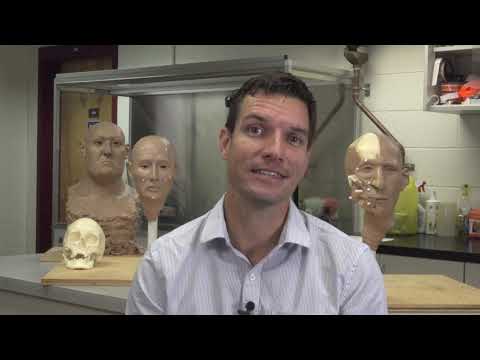
Forensic artist Alexander Hughes discusses his role in criminal investigations, focusing on creating sketches from witness descriptions and facial reconstructions from unidentified human remains to help identify suspects and missing persons.
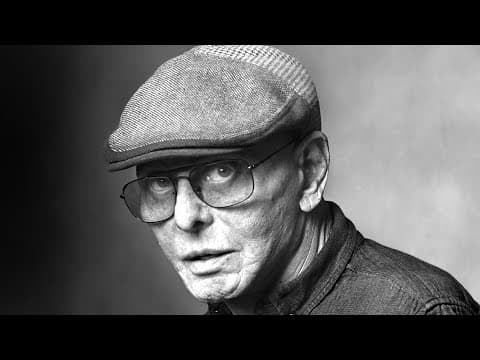
In the realm of criminal investigations, the work of forensic artists plays a crucial role in identifying suspects and solving cases. Alexander Hughes, a forensic artist with the Royal Canadian Mounted Police (RCMP) for the Atlantic region, shares insights into his unique profession and the impact of his work on law enforcement.
The Responsibilities of a Forensic Artist
Alexander Hughes describes his primary responsibilities, which include:
- Creating sketches based on witness descriptions.
- Conducting facial reconstructions from unidentified human remains.
- Developing age-progressed images of missing persons to visualize how they might look years later.
These tasks are essential in aiding law enforcement agencies in their efforts to identify individuals involved in criminal activities or those who have gone missing.
Working with Witnesses and Victims
A significant part of Hughes's job involves collaborating with witnesses or victims to gather descriptions of unidentified individuals. The process typically unfolds as follows:
- Initial Consultation: Hughes meets with the witness or victim to discuss their recollections of the person in question.
- Visual Collaboration: Together, they work on visualizing the suspect's features, focusing on details that can help create an accurate sketch.
- Sketch Creation: Using the information gathered, Hughes produces a sketch that serves as an approximation of the suspect's appearance.
This collaborative effort not only aids in the identification process but also helps witnesses and victims to articulate their memories more clearly.
The Importance of Forensic Sketches
Forensic sketches are invaluable tools in criminal investigations. They serve multiple purposes:
- Public Awareness: Sketches can be disseminated to the public, increasing the chances of someone recognizing the individual.
- Law Enforcement Coordination: They facilitate communication between different law enforcement agencies, allowing for a more unified approach to solving cases.
- Memory Reinforcement: The act of creating a sketch can help witnesses solidify their memories, which can be crucial in subsequent investigations.
Conclusion
The work of forensic artists like Alexander Hughes is vital in the fight against crime. By transforming witness descriptions into visual representations, they provide law enforcement with powerful tools to identify suspects and bring closure to families of missing persons. As technology and techniques continue to evolve, the role of forensic art will undoubtedly remain a key component in criminal investigations.