This blog post explores the science of wine pairing, debunking myths and providing evidence-based insights on how to match wines with various foods, including cheese, seafood, red meat, and desserts, ultimately revealing that the right pairings can enhance the dining experience.
Whether you can distinguish a Sancerre from a Sauvignon by smell or choose your beverage based solely on the label, wine pairing is a topic filled with opinions. But how much of what sommeliers say is backed by science? This post delves into the research behind food and wine pairings, exploring whether red wine truly complements steak and other classic combinations.
When it comes to pairing wine with food, two key concepts come into play: acidity and astringence. Acidity refers to the tartness of the wine, while astringence describes the dry sensation it leaves on the palate. Generally, acidity is associated with white wines, and astringence with reds. While these characteristics are not inherently negative, balancing them is crucial for a harmonious pairing.
To illustrate the importance of balance, consider the pairing of wine and cheese. A study conducted in 2010 had wine experts rate various wine and cheese combinations. The standout pairing was Chardonnay with triple cream cheese, achieving an average score of 6.01 out of 12. The experts attributed this success to the Chardonnay's acidity complementing the creaminess of the cheese.
For red wine enthusiasts, Pinot Noir was found to pair well with semi-soft cheeses, while firmer cheeses like Provolone or Swiss also made good companions. The lighter palate of these cheeses allows the more delicate flavors of Pinot Noir to shine without being overpowered.
Another classic pairing is oysters and champagne, which works due to the presence of umami, the savory taste found in many foods. Both oysters and champagne contain glutamate and free nucleotides, which enhance the umami flavor. Research indicates that when consumed together, these compounds amplify the umami experience, making the pairing particularly delightful.
James Bond famously advised against pairing red wine with fish, and science supports this notion. A study published in the Journal of Agricultural and Food Chemistry tested various wines with dried scallops to assess the fishy aftertaste. The results indicated that wines with higher iron concentrations produced a stronger fishy taste. Interestingly, red wines aged in stainless steel contain less iron than those aged in wooden barrels, suggesting that not all reds will clash with fish.
While red wine is traditionally paired with red meat, scientific backing for this combination is surprisingly limited. Researchers speculate that the umami flavors in red meat may enhance the savory notes in red wine, similar to the oyster and champagne pairing. However, studies have shown that sake, a Japanese rice wine, may actually be a better match for red meat due to its high glutamate content.
When it comes to spicy foods, wine pairing can be subjective. While many sommeliers recommend sweeter wines to counterbalance heat, a survey in South Korea revealed that some prefer astringent wines, as they enhance the mouthfeel of spicy dishes. This highlights how cultural preferences can influence wine pairing choices.
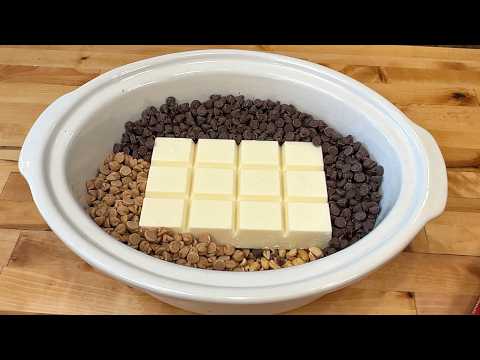
For dessert, the combination of chocolate and sparkling wine is a match made in heaven. A 2023 study evaluated various chocolates and sparkling wines, revealing that different chocolates pair better with specific wines. For instance, dark chocolate, known for its bitterness, pairs well with sweet and fruity rosé, while white chocolate complements a semi-dry Chardonnay.
From appetizers to desserts, science provides valuable insights into food and wine pairings. Understanding the principles of acidity, astringence, and umami can enhance your dining experience, whether you're a seasoned wine connoisseur or a casual drinker. So, the next time you're planning a meal, consider these research-backed pairings to impress your guests and elevate your culinary adventures. Cheers to science!