Rumi cheese, a beloved Egyptian delicacy, is made exclusively in Egypt and is known for its unique flavor and nutritional value. This blog post explores the production process, safety concerns, and the myths surrounding Rumi cheese, providing insights from industry experts.
Rumi cheese is a staple in Egyptian cuisine, cherished for its distinct flavor and nutritional benefits. However, there are many misconceptions surrounding this cheese, particularly regarding its safety and production methods. In this blog post, we will explore the intricacies of Rumi cheese, its production process, and address common myths.
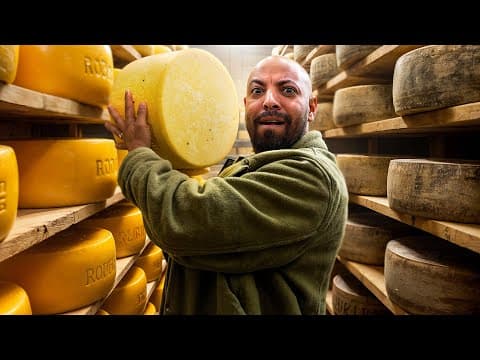
Rumi cheese is a traditional Egyptian cheese that has been produced for centuries. Originally made in Damietta, its production has now shifted to Damanhour in Behera. This cheese is made exclusively from milk, with a production ratio of 10 kilograms of milk yielding just 1 kilogram of cheese. This high milk-to-cheese ratio contributes to its cost and quality.
There are several rumors that circulate about Rumi cheese, often leading to confusion among consumers. Here are the three most common myths:
Rumi cheese is made from potatoes.
This is false; Rumi cheese is made solely from milk.
Formalin is added to Rumi cheese.
This claim is unfounded. The cheese is produced using natural ingredients and processes.
The outer layer of Rumi cheese is harmful.
The rind is a natural protein layer that forms during the aging process and should not be consumed.
The journey of Rumi cheese begins with sourcing high-quality milk. Over 1,000 farmers supply milk to the producers, with the majority coming from small-scale farmers. The milk undergoes rigorous sensory tests to ensure freshness before it is processed. Experts with decades of experience assess the milk through smell and taste, which are considered the most reliable indicators of quality.
Once the milk is deemed fresh, it is filtered and transferred to manufacturing vats. The production process involves:
Rumi cheese is categorized based on its age:
During the aging process, a natural rind forms, which is washed and removed before the cheese is sold. The cheese is then wrapped in breathable burlap to maintain its quality during storage.
Rumi cheese is highly nutritious, with a small serving providing significant health benefits. For instance, consuming 128 grams of Rumi cheese is equivalent to ingesting nutrients from 1.25 kilograms of milk. It is recommended to purchase Rumi cheese from trusted sources to ensure quality and safety. Cheaper alternatives may be adulterated and lack the nutritional value of authentic Rumi cheese.
Rumi cheese is not just a food item; it is a cultural treasure that reflects Egypt's rich culinary heritage. Despite the myths and misconceptions, Rumi cheese remains a safe and nutritious choice for consumers. As the cheese industry in Egypt continues to grow and compete on a global scale, Rumi cheese stands out as a unique product that is exclusively made in Egypt. Whether enjoyed on its own or as part of a dish, Rumi cheese is a beloved staple that deserves recognition and appreciation.