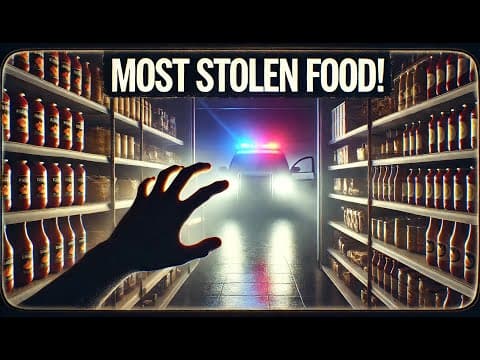
Cheese is the world's most stolen food item, with millions of thefts annually impacting grocery stores, restaurants, and consumers alike. The high demand and emotional connection to cheese drive its theft, leading to increased prices and security measures that affect everyone.
Have you ever wondered what the world's most stolen food item is? Believe it or not, every second somewhere in the world, this food is slipping off store shelves, adding up to over a million thefts each year. It's a food so beloved and irresistible that people just can't keep their hands off it. Today, we uncover the surprising story of the world's most stolen food item: cheese.
Imagine you're in the grocery store, strolling down the aisles. You stop in the dairy section, and there it is—cheese, sitting on the shelf looking innocent. But what most people don't realize is that cheese isn't just a delicious addition to meals; it's actually the world's most stolen food.
So why cheese? It has the perfect combination of being delicious, versatile, and surprisingly highly valuable. Cheese is a key ingredient in many foods we love, from sandwiches and pasta to snack boards and appetizers. However, good cheese isn't cheap. Aged cheddar, Gouda, and Brie can be considered luxury items with prices to match. This high price tag, combined with its small and easy-to-carry size, makes cheese the ideal target for thieves looking for a quick grab-and-go item.
Grocery stores worldwide are feeling the financial impact of cheese theft in a significant way. In total, stores lose millions of dollars annually due to cheese theft. It's not just a single block here and there; in some cases, organized thieves target large batches of cheese, hitting store after store. These losses have become so significant that some stores are resorting to drastic measures to protect their products.
In some places, cheese is locked behind glass, almost like a high-end electronic item. Imagine needing an employee to unlock the cheese section for you. It sounds extreme, but for many stores, it's the only way to manage the losses.
Restaurants, food trucks, and catering services also feel the sting of cheese theft. For them, cheese is essential. Imagine a party with a beautiful cheese platter; guests dive in immediately, and within minutes, it's all gone. When cheese theft disrupts supply, these businesses pay more just to keep enough cheese stocked.
So how does this impact us as consumers? Those higher costs often get passed down to us. That extra cheesy pizza, those loaded nachos, or even a simple sandwich—you're probably paying more than you would have a few years ago, partly because of the hidden costs associated with cheese theft.
Why is cheese so tempting, even with all these extra security measures in place? Beyond its taste and price, cheese holds a unique place in our lives. It's not just food; it's comfort. Cheese is a food we share with friends, serve at family gatherings, and enjoy during quiet evenings. It has a social and emotional appeal that goes beyond flavor.
Cheese represents home, and that emotional connection adds to its appeal. Even though cheese is a frequent target, stores can't stop selling it; it's too popular. To combat theft, they're forced to spend more on security, from installing cameras to hiring more staff and adding alarms to cheese sections. These extra security expenses often result in higher prices, which affect everyone.
So why do people keep stealing cheese despite all these measures? Because it's a food that's both valuable and personally significant. For some, it's a food they feel connected to—something they can't do without. This emotional connection gives cheese a value beyond its price tag, making it something people are willing to go to surprising lengths to obtain.
In conclusion, cheese has become an unlikely but ultimate target for theft. From high prices to high demand, its ripple effect impacts everyone from grocery stores and restaurants to the prices in our shopping carts. Understanding the unexpected journey of cheese, the world's most stolen food, reveals how deeply intertwined our food choices are with broader economic realities.