Dubai chocolate, marketed as a luxurious treat, is a hollow facade filled with inexpensive ingredients. Despite its viral popularity, the reality reveals a lack of authenticity and cultural depth, raising questions about its true value and the influence of marketing.
Dubai chocolate has taken the social media world by storm, becoming a symbol of luxury and indulgence. Influencers rave about it, and stores across the globe are eager to sell it. But what is the reality behind this much-hyped confectionery? In this post, we will explore the origins, ingredients, and the marketing strategies that have turned Dubai chocolate into a viral sensation.
At its core, Dubai chocolate is a hollow candy bar filled with a mixture of pistachio, tahini, and kadaf. This combination is reminiscent of the traditional Middle Eastern dessert known as KF. While the concept sounds appealing, there is a significant issue: Dubai, a city in the desert, lacks the natural resources to produce chocolate or pistachios. This raises the question: how authentic can a product be if it is made in a place that does not produce its key ingredients?
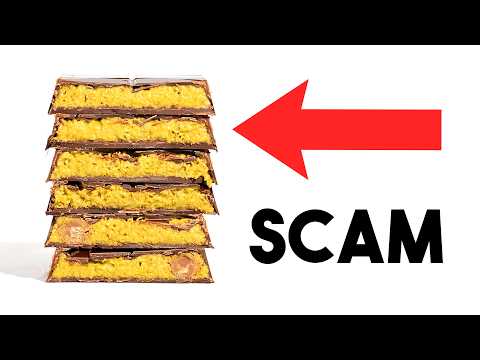
Dubai chocolate is often marketed as a luxurious item, embodying the opulence of the city itself. However, the reality is that it is more of a facade. The original Dubai chocolate was created by a company called Fixed Desserts, which initially named it "Can't Get Confe." The marketing strategy involved giving samples to influencers, who then promoted it as the "viral Dubai chocolate." This term has become a staple in social media posts, creating a buzz that has little to do with the actual quality of the product.
The viral nature of Dubai chocolate can be attributed to its visual appeal and the sounds it makes when bitten into. Influencers often showcase the chocolate bar overflowing with filling, which, while visually striking, can also be unappetizing. The excessive filling is a key selling point, as it creates a dramatic effect that captures viewers' attention. However, the actual taste and quality of the chocolate often fall short of expectations.
Despite its luxurious branding, the ingredients of Dubai chocolate are not as high-end as one might think. The main components include:
The combination of these ingredients raises questions about the authenticity and quality of the product. Many companies producing Dubai chocolate may not use the original ingredients, opting instead for cheaper alternatives.
Dubai chocolate is often sold at exorbitant prices, with some bars costing over $20. This pricing strategy seems to be more about the brand's association with luxury than the actual cost of production. For comparison, a standard chocolate bar from a reputable brand like Lindt costs significantly less, yet the Dubai chocolate is marketed as a premium product.
Interestingly, the rise in popularity of Dubai chocolate has also affected the prices of its key ingredients, particularly pistachios. This raises the question of whether the ingredients used in Dubai chocolate are genuinely more expensive than those in regular chocolate bars.
The phenomenon of Dubai chocolate also highlights a broader issue of cultural appropriation. The dessert is a reinterpretation of traditional Middle Eastern sweets, yet it has been commercialized and stripped of its cultural significance. Companies that produce Dubai chocolate are often capitalizing on a trend without acknowledging the rich history behind the ingredients and the dessert itself.
In conclusion, Dubai chocolate serves as a perfect metaphor for the city it comes from: a glamorous facade that lacks substance. While it may be enjoyable for a bite or two, the reality is that it is more about the image and the price tag than the actual taste or quality. As consumers, it is essential to be aware of the marketing tactics at play and to question the authenticity of products that are presented as luxurious. Ultimately, Dubai chocolate may be a fun treat, but it is crucial to recognize it for what it truly is—a cleverly marketed illusion.