The BTK serial killer, responsible for a series of gruesome murders in Wichita, evaded capture for over three decades. This blog post details the chilling timeline of events, the investigative breakthroughs, and the eventual arrest of Dennis Rader, the man behind the BTK moniker, who taunted police and the public with letters and clues throughout his killing spree.
The story of the BTK serial killer is one of horror, persistence, and eventual justice. For over three decades, the residents of Wichita lived in fear of a killer who bound, tortured, and killed his victims, leaving behind a trail of twisted clues and taunting letters. This blog post delves into the chilling timeline of events that led to the capture of Dennis Rader, the man behind the BTK moniker.
The nightmare began on January 15, 1974, when police discovered the bodies of the Otero family in their home. Joseph and Julie Otero, along with their children, nine-year-old Joey and eleven-year-old Josephine, were found bound and strangled. This quadruple homicide shocked the community and marked the beginning of a series of brutal killings.
Detectives quickly connected the Otero case to the murder of Shirley Vian, who was found bound and strangled in her home in 1977. The similarities in the cases led investigators to believe they were dealing with a serial killer. The killer, later known as BTK, sent a letter to the police, claiming responsibility for the Otero murders and providing details only the murderer would know. The letter contained the chilling phrase, "bind them, torture them, kill them."
BTK's desire for notoriety became evident as he continued his killing spree. On February 10, 1978, he sent a letter to a local news station, demanding recognition for his crimes. In this letter, he listed several victims, including 21-year-old Catherine Bright, who had been murdered four years earlier. This marked the beginning of a series of communications between BTK and law enforcement, as detectives sought to engage him in dialogue to gather more information.
Despite the efforts of law enforcement, including the use of early DNA profiling, the investigation stalled for years. Many believed that BTK had stopped killing, but they were wrong. On March 24, 2004, a letter from BTK reignited the investigation, leading to the discovery of photographs and a driver's license belonging to Vicki Wegerle, a victim from 1986.
On January 25, 2005, a suspicious package was found in the back of a truck belonging to a Home Depot employee. Inside was a doll, jewelry, and a note from BTK asking if he could communicate with the police via floppy disk. This package led detectives to review surveillance footage, revealing a black SUV that matched the description of a vehicle linked to BTK.
The investigation took a significant turn when a local news station received a package containing a computer disk. Detective Randy Stone, a computer expert, discovered that the disk contained metadata linking it to Dennis Rader, a member of the Christ Lutheran Church and the Park City community. This breakthrough provided law enforcement with a name and a possible location for the elusive killer.
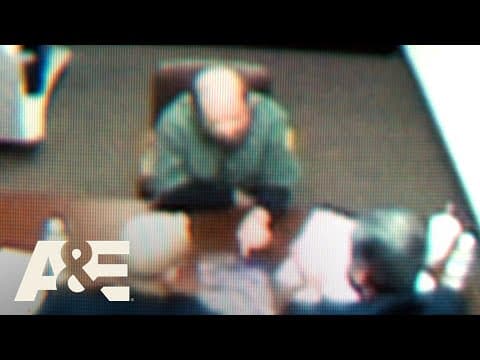
On February 25, 2005, detectives arrested Dennis Rader at his home. The arrest was a pivotal moment in the investigation, as Rader had blended into the community, serving as a church leader and Boy Scout leader. During the interrogation, Rader initially wanted to discuss the newspaper ad that had misled him into believing his communications were untraceable. However, he ultimately confessed to being BTK, providing details of his crimes.
Over the next 30 hours, Rader confessed to ten murders, including those of victims not previously linked to him. He pleaded guilty to all charges, and in August 2005, he was sentenced to ten consecutive life sentences without the possibility of parole. This marked the end of a long and harrowing chapter for the Wichita community, which had lived in fear for decades.
The capture of Dennis Rader, the BTK serial killer, was the result of relentless investigation, technological advancements, and a community's resilience. The chilling details of his crimes and the psychological games he played with law enforcement serve as a reminder of the darkness that can lurk beneath the surface of everyday life. The story of BTK is not just about the murders but also about the tireless efforts of those who sought justice for the victims and closure for the community.